
Best Non Surgical Hair Treatments in Australia
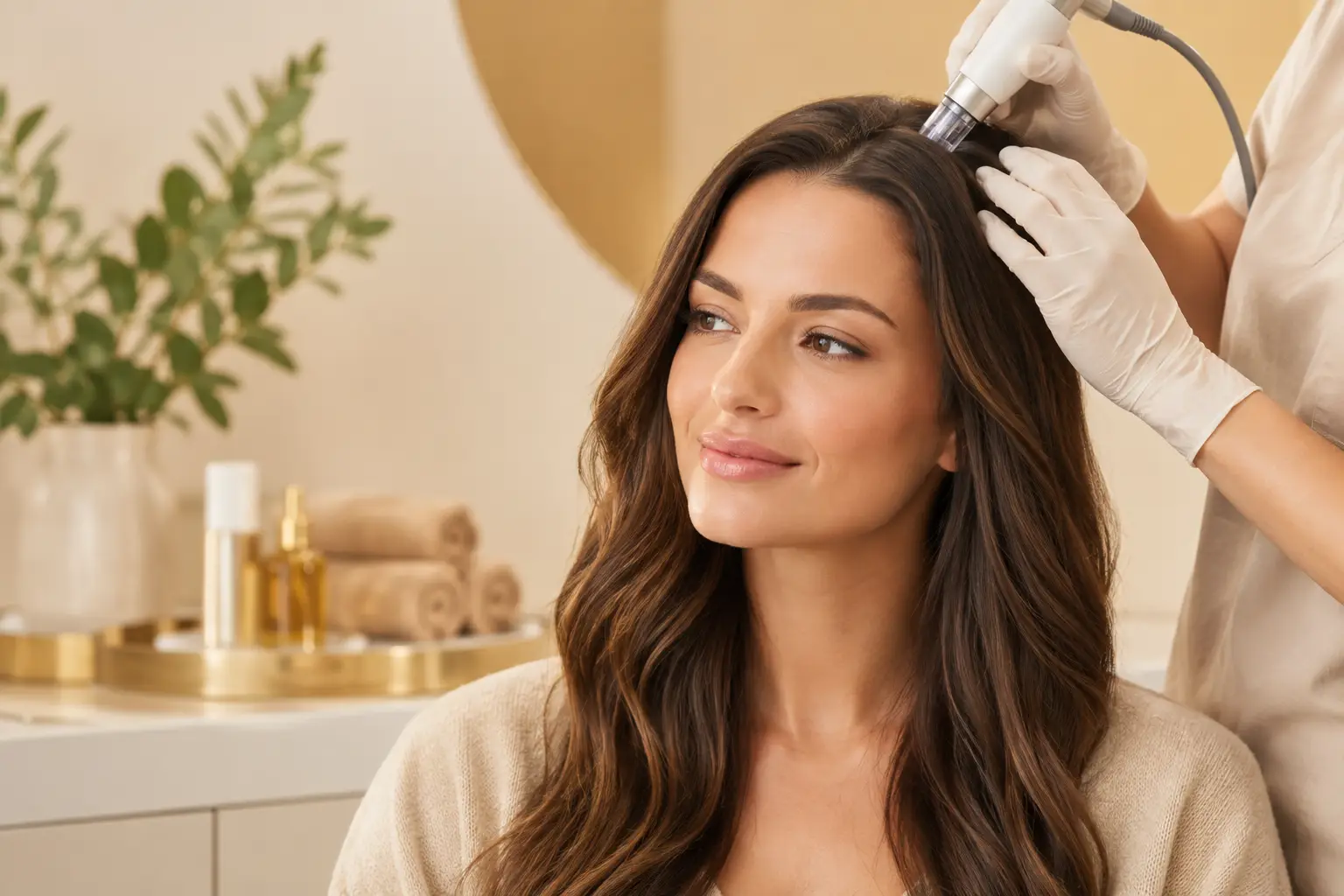
A widening part, more hair on the shower floor or a receding hairline can make hair loss feel far more visible than it first appears. The best non surgical hair treatments are not necessarily the newest or most heavily advertised. They are the options that suit the cause of your hair loss, can be used consistently and are guided by an appropriately qualified medical professional.
For many Australians, non-surgical treatment is the right first step. It may help slow further thinning, support existing follicles or improve hair quality before hair transplantation is considered. Results vary, and early assessment generally gives you more options.
Start with the cause, not the product
Hair loss is not one condition. Androgenetic alopecia, commonly called male or female pattern hair loss, is the most common cause of gradual thinning. It tends to follow a recognisable pattern: recession around the temples, thinning at the crown, a widening part or reduced density across the top of the scalp.
Other causes need a different approach. Stress-related shedding, recent illness, nutritional deficiency, hormonal changes, some medications, scalp inflammation and autoimmune conditions can all affect hair growth. Applying a treatment designed for pattern hair loss without understanding the cause can waste time and delay appropriate care.
A medical consultation should look at the pattern and duration of shedding, your health history, family history, medications and scalp condition. In some circumstances, blood tests or referral may be appropriate. This is particularly relevant when hair loss is sudden, patchy, accompanied by itching or scaling, or occurring alongside other changes in health.
The best non surgical hair treatments to consider
PRP treatments
Platelet-rich plasma, or PRP, uses a small sample of your own blood. The blood is processed to concentrate platelets, then the platelet-rich component is carefully injected into areas of thinning by a trained clinician. Platelets contain growth factors involved in tissue repair and may support the activity of existing hair follicles.
PRP is often considered by people with early to moderate thinning who want a clinically delivered treatment without surgery. It does not create new follicles or restore an area where follicles are no longer viable. Its role is usually to support vulnerable, miniaturising hairs and potentially improve density or thickness over time.
A course of treatments is commonly recommended, followed by maintenance sessions where appropriate. The exact schedule should be determined after assessment rather than treated as a one-size-fits-all package. PRP can be a useful standalone option for some people, but it is frequently used alongside a medically suitable hair-loss plan. Outcomes are individual, and consistent treatment matters.
Topical minoxidil
Topical minoxidil is one of the better-established non-surgical options for pattern hair loss. It is applied directly to the scalp and can help keep follicles in the growth phase for longer. It may be suitable for both men and women, depending on the formulation and their medical circumstances.
The trade-off is commitment. Minoxidil needs regular, ongoing use, and it may take several months before a change is noticeable. Some people experience temporary increased shedding early on as hairs cycle, while scalp irritation or unwanted facial hair growth can occur in some users. If treatment stops, gains may gradually be lost.
A clinician can help determine whether topical minoxidil is appropriate, how to apply it correctly and whether a different treatment is better suited to your scalp and hair-loss pattern.
Prescription medicines
For eligible patients with androgenetic alopecia, prescription medicines may play an important role. These treatments work by addressing hormonal pathways associated with follicle miniaturisation or by supporting hair growth. They require a proper consultation because suitability, potential side effects and monitoring differ between individuals.
Some medicines are more commonly prescribed for men, while treatment planning for women requires particular care around hormonal history, pregnancy potential and other health factors. A prescription is not automatically the best option simply because hair loss is noticeable. The decision should be based on your medical history, goals and an honest discussion of benefits and risks.
Buying prescription-style treatments from unverified online sellers can create unnecessary risk. Hair loss deserves the same clinical care as any other medical concern, including clear information about what you are taking and who is overseeing it.
Low-level laser therapy
Low-level laser therapy uses red-light devices designed to stimulate follicle activity. It is a non-invasive option that may be considered for people with mild to moderate pattern hair loss, particularly those looking for an at-home adjunct to their broader treatment plan.
The main advantage is convenience. The limitation is that results can be modest, devices vary in quality and regular use is essential. It is unlikely to be the strongest single option for advanced loss, but may have a place alongside clinically directed treatment for the right person.
Scalp care and treatment of contributing conditions
Scalp health does not replace a medical hair-loss treatment, but it can affect comfort, shedding and the ability to use topical products consistently. Dandruff, dermatitis, inflammation and product build-up may need attention, especially when there is redness, soreness or flaking.
Likewise, correcting an identified iron deficiency or other underlying contributor can be important. Supplements should not be treated as a universal answer. Taking high-dose vitamins without a demonstrated need is unlikely to reverse genetic hair loss and may cause problems of its own. Targeted care is more useful than a crowded bathroom cabinet.
When non-surgical treatment is most effective
Non-surgical options generally work best when follicles are still present but producing finer, shorter hairs. This is why acting early can matter. If an area has been smooth and bare for years, treatments such as PRP, minoxidil or laser therapy are less likely to produce meaningful regrowth there.
That does not mean non-surgical care has no value for people considering a hair transplant. A transplant redistributes healthy follicles from a donor area to areas of hair loss; it does not stop ongoing thinning in surrounding native hair. Clinical treatment may help protect existing hair and support a more stable long-term plan.
For some patients, the most sensible pathway is to begin with non-surgical treatment and review progress after several months. For others with advanced recession or significant loss of density, a consultation may show that hair transplantation is the more realistic option for restoring coverage. Neither approach is automatically better. The right choice depends on the extent of loss, donor hair, health, budget and expectations.
How to choose a treatment provider
Hair restoration is often marketed with dramatic before-and-after images and promises of rapid results. A credible provider should be willing to discuss what treatment can realistically achieve, how long it may take and what ongoing care could involve.
Look for treatments carried out by medical professionals, a proper assessment before recommendations and transparent discussion of cost. Ask who will perform the procedure, what follow-up is included and how potential side effects are managed. If you are considering PRP, it is reasonable to ask about the treatment plan and why it suits your particular presentation.
At Luxe Medical Procedures, hair restoration is approached as medical care rather than a beauty trend. For patients in Newcastle, Brisbane or Perth, a professional consultation can clarify whether PRP, another non-surgical option or hair transplantation is the appropriate next step.
Give treatment enough time to be assessed fairly
Hair growth moves slowly. Photographs taken in consistent lighting and from the same angles can be more helpful than checking the mirror every morning. Your clinician may also monitor density, shedding and scalp health over time.
The most helpful next step is a considered assessment, particularly if your hair loss is progressing or causing distress. With the right diagnosis and a plan you can realistically maintain, non-surgical treatment can be a practical way to protect the hair you have and make decisions about future restoration with greater confidence.