
Best Shampoo After PRP Treatment for Hair Loss
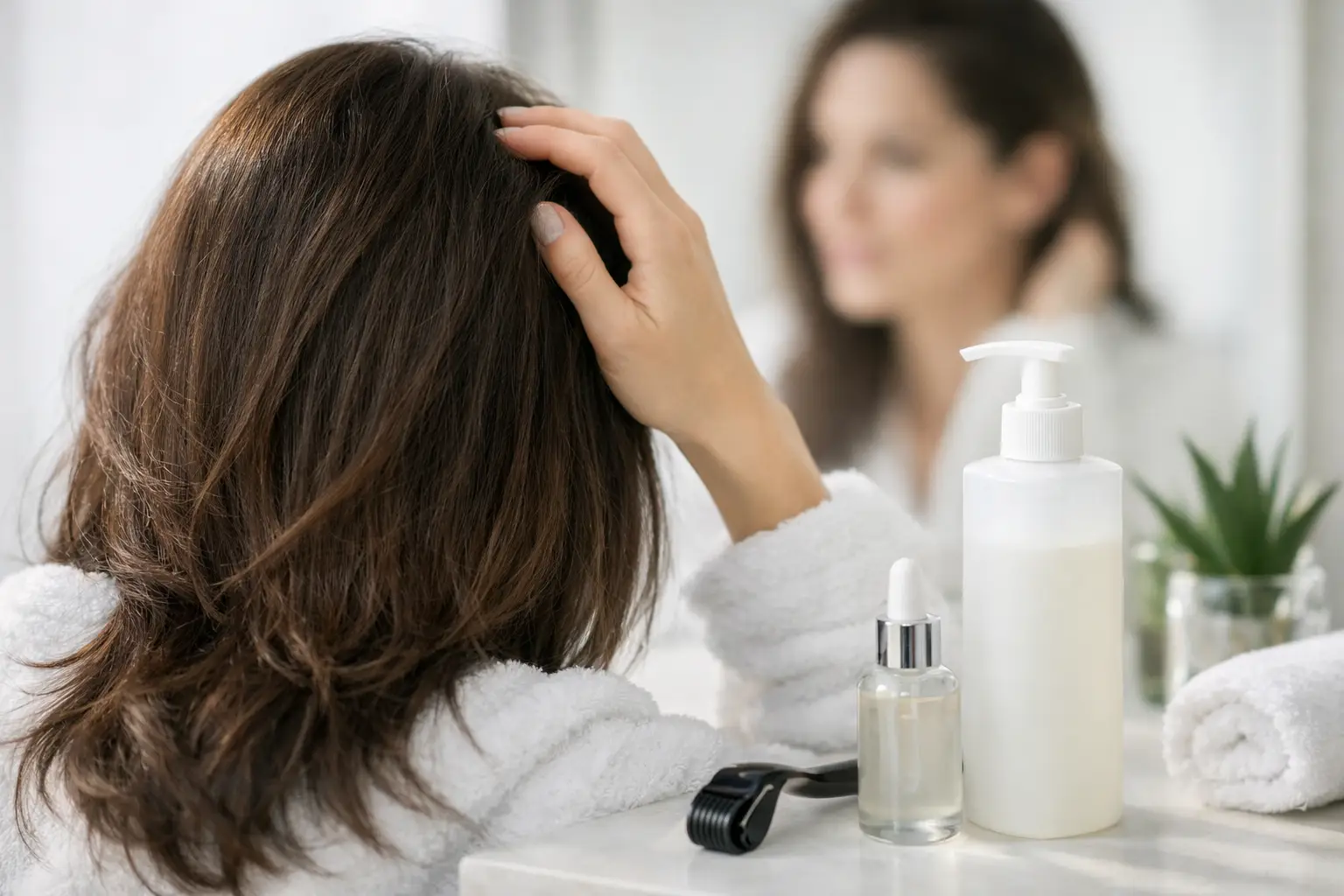
Your scalp may feel tender after a PRP appointment, which makes choosing the best shampoo after PRP treatment for hair loss less about buying a product marketed for growth and more about protecting the treatment area. A gentle cleanser, used at the right time, helps keep the scalp comfortable while you follow the aftercare directions provided by your medical practitioner.
PRP treatment involves using a concentrated preparation of your own platelets in targeted areas of the scalp. It is a clinically administered hair-loss treatment, not a cosmetic wash-and-go service. Shampoo has a supporting role: it can help maintain scalp hygiene and minimise unnecessary irritation, but it does not replace PRP, medication, nutrition or a medically guided hair-restoration plan.
What makes the best shampoo after PRP treatment for hair loss?
The best choice is usually a mild, low-irritation shampoo that cleans without leaving the scalp feeling tight, itchy or overly dry. In the days after PRP, the scalp can be more sensitive than usual due to the injections. Strong cleansing agents, heavy fragrance and vigorous washing may be uncomfortable for some patients.
Look for a shampoo that is described as gentle, suitable for sensitive scalps or designed for frequent use. A formula with a mild surfactant system and a simple ingredient list is often a sensible place to start. This does not mean every natural, sulphate-free or salon product is automatically appropriate. Product labels are useful, but your response to the formula and your practitioner’s instructions matter more.
For people managing pattern hair loss, it is also worth separating scalp care from hair-loss treatment. Caffeine shampoos, anti-thinning shampoos and botanical blends can make appealing claims, but contact time in the shower is brief. They may suit some scalps as part of a routine, yet they should not be expected to produce the same result as clinically guided PRP treatment or other evidence-based therapies.
Prioritise comfort over marketing claims
A shampoo that stings, causes flakes or leaves your scalp greasy may not be the right one, regardless of its hair-growth branding. After PRP, the practical goal is a clean, calm scalp. If you already use a shampoo prescribed for dandruff, psoriasis or another scalp condition, ask your treating clinician whether and when to resume it.
Medicated products can be valuable where there is a diagnosed scalp concern, but they are not always the first product to use immediately after injections. The correct approach depends on your skin, your treatment plan and how your scalp is healing.
When can you wash your hair after PRP?
Timing is just as relevant as the shampoo itself. Many PRP providers advise avoiding washing the hair or getting the scalp wet for a period after treatment, commonly until the following day. However, aftercare instructions can vary according to the technique used, the products applied during your appointment and your individual skin response.
Follow the specific timeframe given by the medical professional who carried out your treatment. Do not assume that advice from a friend, a social media post or a previous clinic appointment applies to your own procedure.
When you are cleared to wash, use lukewarm water rather than very hot water. Apply a small amount of shampoo, spread it lightly through the hair and rinse thoroughly. Avoid scratching with fingernails, using a scalp scrub or giving yourself a firm scalp massage for the initial recovery period. Pat the hair dry with a clean towel instead of rubbing the scalp vigorously.
If you need to style your hair for work or an event, keep the routine as simple as possible. Gentle handling matters more than achieving a particular finish in the first day or two.
Ingredients and products to use with care
There is no single ingredient every PRP patient must avoid forever. The question is whether a product is likely to irritate your scalp during the short recovery period or conflict with the instructions you have been given.
Be cautious with strongly fragranced shampoos, essential-oil blends, exfoliating scalp treatments and clarifying shampoos. These products can be suitable at another time, but they can feel intense on recently treated skin. Similarly, avoid at-home chemical treatments such as colouring, bleaching, perming or chemical straightening until your practitioner confirms it is appropriate to resume them.
If you use topical hair-loss treatments, including minoxidil, ask exactly when to restart. Applying a topical product too soon after PRP may cause irritation or discomfort, particularly if there are tiny injection-site marks. A clinician can give advice based on your schedule and scalp condition rather than a generic product rule.
Anti-dandruff shampoos need individual consideration. Ingredients such as ketoconazole can be useful for some people with dandruff or seborrhoeic dermatitis, but they may feel drying for others. If you rely on a medicated shampoo to control flaking or inflammation, mention it before your PRP appointment so your aftercare plan can account for it.
A simple post-PRP hair-washing routine
Once you have been given approval to wash your hair, keep the first few washes uncomplicated. Use a gentle shampoo, clean hands and light pressure. Let the water run through the hair rather than directing a forceful shower stream at one area of the scalp.
You may use a lightweight conditioner through the mid-lengths and ends if your hair needs it, but try not to coat the scalp with heavy conditioners, oils or masks immediately after treatment. These are unlikely to improve PRP results and can make it harder to judge whether your scalp is becoming irritated.
Return to your usual routine gradually. If you experience ongoing burning, increasing redness, swelling, discharge or significant pain, contact the clinic that treated you promptly. Mild tenderness can occur after injections, but symptoms that worsen rather than settle deserve professional advice.
Shampoo will not determine your PRP result
Patients often ask for the one shampoo that will make PRP work better. The honest answer is that no shampoo can guarantee new hair growth or prevent genetic hair loss on its own. PRP is generally delivered as a course of treatment, with timing and suitability assessed by a medical professional. Results differ according to the cause and stage of hair loss, family history, overall health and the consistency of the treatment plan.
Good scalp care can still be worthwhile. A comfortable, well-managed scalp makes it easier to maintain your recommended routine, particularly if you are also using prescribed or clinician-recommended therapies. It can also reduce the temptation to overuse harsh products when hair thinning feels stressful.
For many Australians, the most useful question is not which bottle has the loudest growth claim. It is whether the shampoo is gentle enough for their scalp, appropriate for their skin condition and compatible with professional aftercare.
When to ask your PRP provider for advice
Speak with your provider before treatment if you have a history of eczema, psoriasis, contact dermatitis, persistent dandruff or sensitivity to fragrance. Bring up any medicated shampoos, topical hair treatments or regular colouring appointments as well. These details help your clinician give aftercare advice that is realistic for your routine.
At Luxe Medical Procedures, PRP treatments are carried out by medical professionals who can discuss your hair-loss concerns and post-treatment care in the context of your individual plan. That professional guidance is particularly valuable if you are combining PRP with other hair-restoration options.
Choose a mild shampoo, wait until you have been cleared to wash, and let your scalp guide the next step. A calm recovery routine is one practical way to support the clinical care you have chosen for your hair.