
Can I Get a Hair Transplant for Eyebrows in Australia?
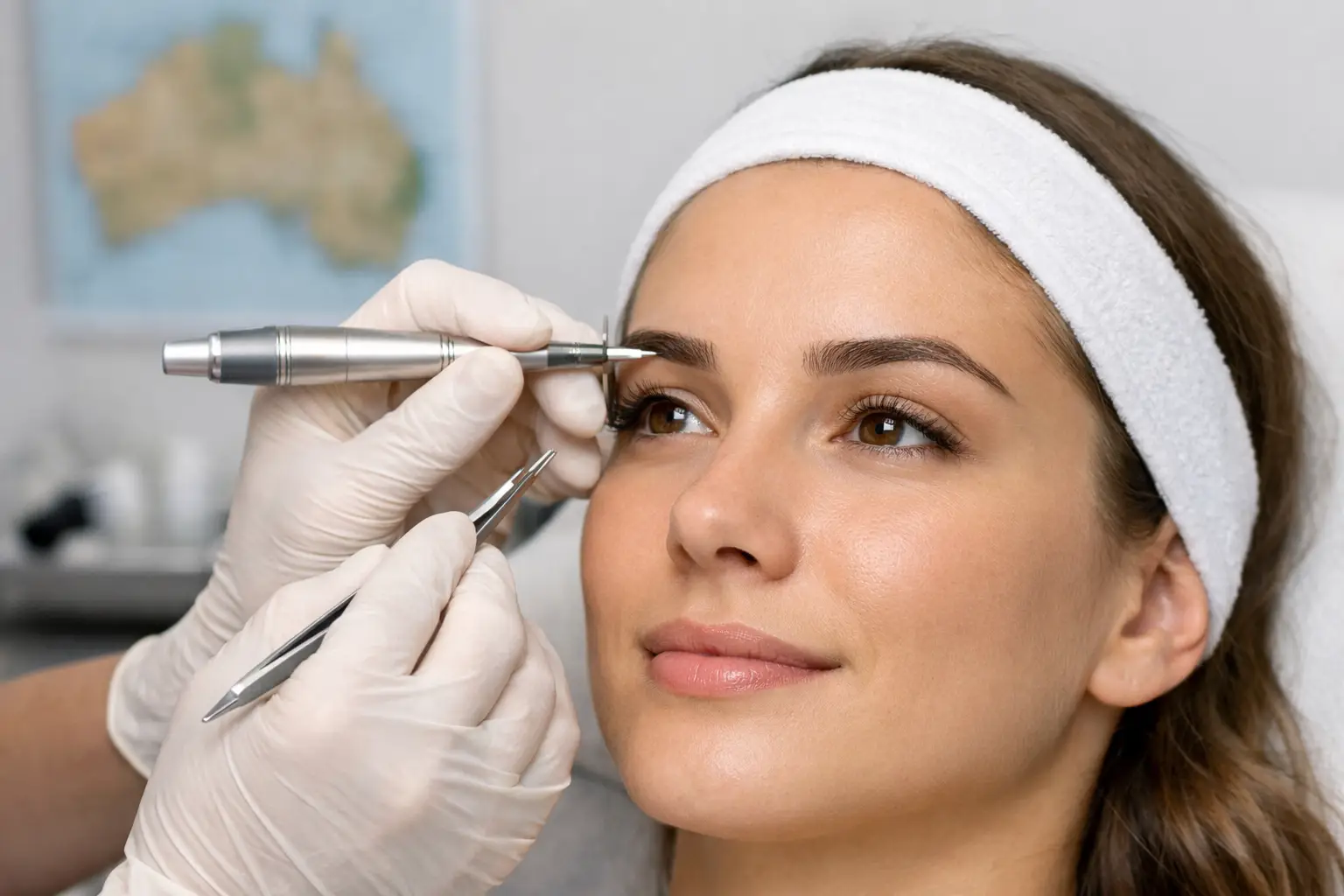
Sparse, uneven or scarred eyebrows can change how a person feels about their face, even when scalp hair is otherwise healthy. If you are asking, can I get a hair transplant for eyebrows, the answer is often yes. An eyebrow transplant can provide lasting hair growth for suitable candidates, but it is a precise medical procedure that needs careful planning, experienced clinical oversight and realistic expectations.
Unlike brow pencils, tinting or temporary cosmetic solutions, a transplant uses your own living hair follicles. The aim is not simply to add more hairs. It is to rebuild or improve the eyebrow’s shape, density and direction in a way that suits your features.
Can I get a hair transplant for eyebrows if my brows are thin?
Many people with naturally sparse eyebrows, over-plucked brows, hair loss after an injury or scarring, or reduced density following medical treatment may be candidates. Some people also seek eyebrow restoration after hair loss associated with conditions such as alopecia. Suitability depends on the cause of the thinning and whether it is stable.
A consultation with a qualified medical professional is the right starting point. They will assess your eyebrow area, donor hair availability, skin quality, health history and desired outcome. They should also discuss whether active skin disease, inflammation or an autoimmune condition could affect graft survival or cause further hair loss.
People with a stable donor area at the back or sides of the scalp are commonly suitable. However, an eyebrow transplant may not be the best first option where hair loss is ongoing or the underlying cause has not been diagnosed. Treating that cause first may protect both your existing eyebrow hair and the result of any future procedure.
How an eyebrow hair transplant works
An eyebrow transplant moves individual hair follicles from a donor area, usually the scalp, into tiny recipient sites within the eyebrow. The procedure is carried out under local anaesthetic, so you are awake but the treatment areas are numbed.
Follicular unit extraction, often called FUE, is a commonly used approach. Individual follicular units are carefully removed from the donor area, then selected and placed one by one into the brow. In some cases, another harvesting method may be discussed. The appropriate technique depends on the donor area, the number of grafts required and the clinician’s assessment.
The placement stage is where detail matters most. Natural eyebrows do not grow straight upwards or in one uniform direction. Hairs at the inner brow, arch and tail sit at different angles, often very close to the skin. A clinician needs to create recipient sites that reflect this pattern and select finer donor hairs where possible. This helps avoid a coarse or overly upright appearance.
The exact number of grafts varies. A small area of thinning may need relatively few grafts, while reconstructing both eyebrows can require more. Denser is not always better. A medically planned result considers facial balance, your existing brow hairs and the fact that transplanted scalp hair can appear thicker than natural eyebrow hair.
What results should you expect?
Immediately after treatment, the implanted hairs are visible, along with small scabs and mild redness. The transplanted shafts commonly shed during the first few weeks. This is expected and does not mean the follicles have failed. The follicles remain beneath the skin and enter a resting phase before new growth begins.
New hairs may start to emerge after around three to four months, although this timing differs between individuals. Noticeable improvement usually develops over several months, with the result continuing to mature for up to 12 months or longer. Patience is part of the process.
An eyebrow transplant is considered a long-term solution because the transferred follicles continue to grow. There is one practical trade-off: scalp-derived hairs generally grow longer and faster than natural eyebrow hairs. Most people need to trim their transplanted brow hairs regularly and may need occasional grooming to keep them sitting neatly.
A second session is sometimes considered if you want more density, if the original area was extensively scarred, or if some grafts do not grow as expected. No reputable provider should promise an identical result for every patient or guarantee that every transplanted follicle will survive.
Recovery and aftercare
Downtime is usually modest, but the early healing period deserves care. You may experience minor swelling, redness, tenderness and scabbing around the brows. These effects generally settle over the following days to weeks. The donor area also needs time to heal.
Your clinician will provide individual aftercare instructions. This commonly includes avoiding rubbing or scratching the brows, keeping the area clean as directed, and pausing strenuous exercise, swimming and direct sun exposure for a period. It is also wise to avoid brow makeup until your medical team confirms it is appropriate.
The newly placed grafts are delicate in the first days after surgery. Following aftercare advice closely supports healing and reduces the risk of accidentally dislodging grafts. Contact your treating clinic promptly if you develop increasing pain, spreading redness, significant swelling, discharge or other signs that concern you.
Risks and considerations before treatment
Hair transplantation is a medical procedure, not a standard beauty treatment. Although complications are uncommon when the procedure is properly planned and carried out by medical professionals, every surgery has risks. These can include bleeding, infection, swelling, scarring, altered sensation, poor graft growth and an uneven or unnatural-looking direction of hair growth.
The eyebrow area is highly visible, so design is also a major consideration. Trends change, but transplanted hair is intended to be lasting. A conservative shape that works with your natural facial proportions often ages better than an extremely sharp or heavily styled brow. Bring reference images to your consultation if helpful, while remaining open to clinical advice about what is achievable with your own donor hair.
Cost is another consideration. Pricing can vary based on the number of grafts, procedure complexity, the method used and the level of medical care included. The lowest advertised price is not always the most affordable choice if it does not include an appropriate assessment, clinician involvement, aftercare and a clear explanation of what happens if further treatment is needed.
Choosing a provider in Australia
When comparing options, focus on who will assess you, who will perform each stage of the procedure and how your treatment is supervised. Ask whether the provider has experience with facial hair restoration, how they plan hair direction and density, and what aftercare is available if you have questions during recovery.
You should receive a clear discussion of benefits, limitations, alternatives and costs before deciding. Alternatives may include cosmetic camouflage, brow styling, tattooing or microblading, and medical assessment or treatment where an underlying hair-loss condition is involved. Each option has different longevity, maintenance and suitability.
A professional consultation should feel informative rather than rushed. You deserve to understand the proposed brow design, likely timeline, potential risks and the regular trimming that transplanted hairs may require.
Frequently asked questions
Does an eyebrow transplant hurt?
Local anaesthetic is used to numb the donor and eyebrow areas. You may feel brief discomfort from the anaesthetic injections and some mild tenderness afterwards, but most patients find the procedure manageable.
Will the transplanted hairs look natural?
They can look natural when grafts are selected carefully and placed at the correct angle, direction and spacing. Results depend on your existing brows, donor-hair characteristics, skin condition and the clinical technique used.
Can I have an eyebrow transplant over old tattooing or microblading?
Sometimes, but it depends on the condition of the skin, pigment placement and whether there is scarring. A medical assessment is needed before planning graft placement in a previously treated area.
If thin eyebrows are affecting you, an eyebrow transplant may be worth discussing with a medical hair-restoration provider. The best next step is a personalised assessment that puts safe treatment, natural design and a result you can maintain comfortably ahead of quick promises.