
Hair Transplant Donor Healing Guide: What to Expect
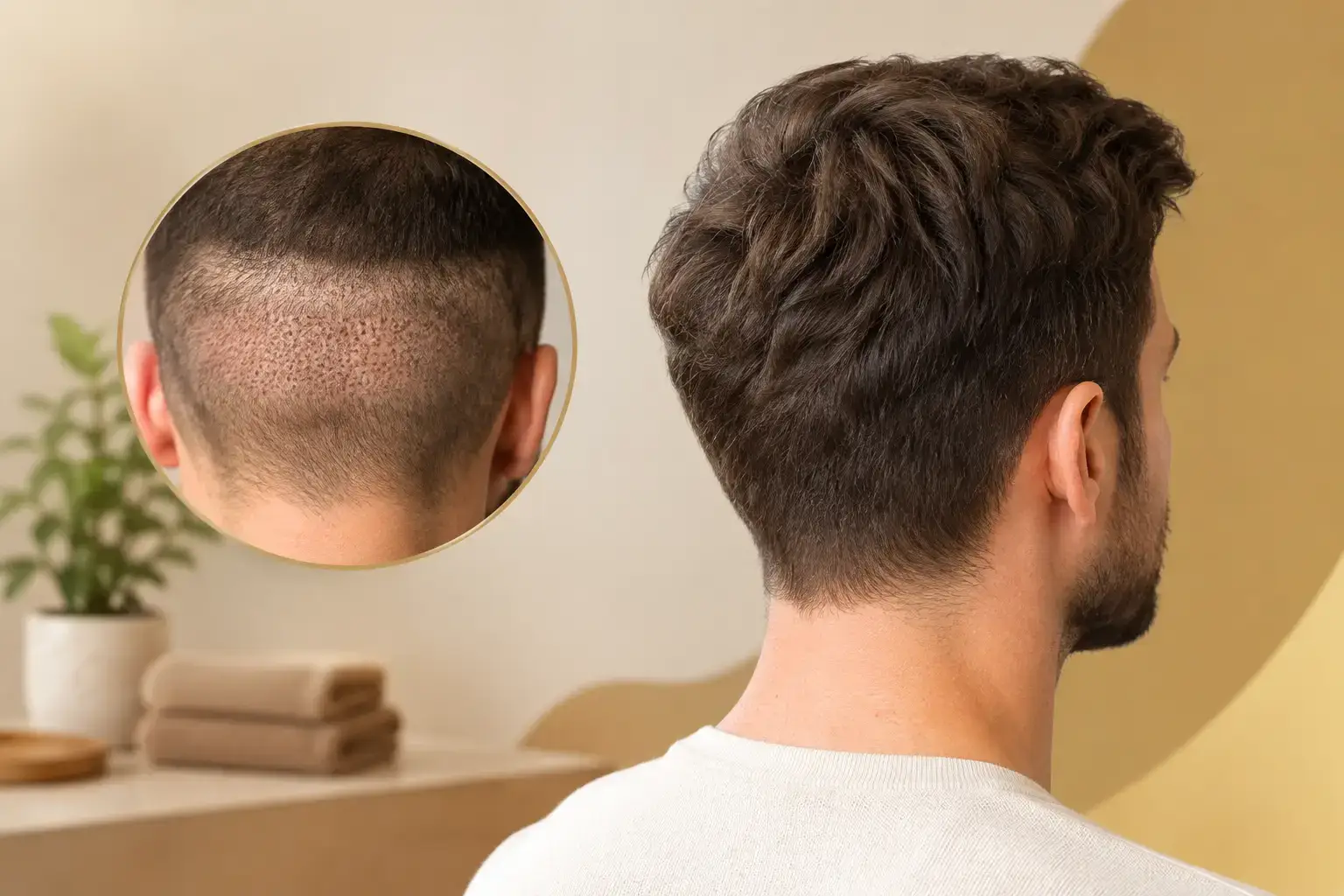
The donor area is easy to overlook when you are focused on the new grafts at the front or crown. Yet it is the area that can feel most tender in the first few days. This hair transplant donor healing guide explains what normal recovery can look like, how to care for the back and sides of your scalp, and when to contact your clinical team for advice.
For most people, donor healing is straightforward when a hair transplant is carried out by medical professionals and aftercare instructions are followed closely. Your own recovery will still depend on the technique used, the number of grafts taken, your skin and general health. The instructions provided by your treating clinician should always take priority over general guidance.
What happens in the donor area
The donor area is usually the back and sides of the scalp, where hairs are more resistant to pattern hair loss. During an FUE hair transplant, individual follicular units are removed using tiny punches, leaving many small circular extraction sites. With FUT, also called strip surgery, a narrow strip of scalp is removed and the area is closed with stitches, leaving a linear scar.
FUE and FUT have different healing patterns. FUE commonly involves widespread pinpoint scabs and short-term tenderness across a broader area. FUT recovery centres more on the incision line, stitches or staples, and avoiding tension while the wound closes. Your clinician will explain which approach suits your hair characteristics, goals and donor supply.
A carefully planned procedure protects the appearance of the donor zone. That includes avoiding overharvesting, spacing extractions appropriately and considering how you prefer to wear your hair. These decisions matter as much as the first week of aftercare.
Hair transplant donor healing guide: the usual timeline
Days 1 to 3: tenderness, redness and small scabs
It is common to notice mild swelling, redness, pinpoint bleeding that has dried, and tenderness in the donor area soon after an FUE procedure. The region may feel tight, itchy or sensitive when your head rests on a pillow. Some people describe a numb or tingling sensation as local anaesthetic wears off and the scalp begins to recover.
Keep the area clean and protected as directed. Avoid rubbing, scratching or picking at scabs, even when they feel tempting. Picking can irritate the skin, disturb early healing and increase the chance of infection or visible marks.
Sleep with your head elevated if your clinician recommends it, and use a clean pillowcase. Take only the pain relief or other medicines advised or prescribed for you. Aspirin, anti-inflammatory medicines and supplements can affect bleeding for some patients, so do not add or restart them without checking first.
Days 4 to 10: scabs begin to release
The small donor scabs usually dry and lift away gradually over the first one to two weeks. Follow your clinic's washing instructions precisely. This may involve gentle rinsing at first, followed by careful washing with a recommended shampoo once it is safe to do so.
Do not use fingernails, a brush or high-pressure shower spray on the donor region. Let water run gently over the scalp and pat it dry rather than rubbing with a towel. A short, cool-to-lukewarm shower is generally more comfortable than very hot water, which can increase redness and irritation.
Mild itchiness often becomes more noticeable at this stage. It can be a normal part of healing, but increasing itch with spreading redness, warmth, pus or worsening pain should be assessed promptly.
Weeks 2 to 4: the scalp settles
By the second week, most FUE extraction sites have closed and scabbing has largely resolved. The donor area may still look slightly pink, particularly in fairer skin, or feel less sensitive than usual. Short haircuts can make the area more visible during this period, so some patients choose to let surrounding hair grow before returning to their usual style.
If you have had FUT, your clinician will advise when stitches or staples need removal. Do not miss that appointment. You may need to limit stretching movements, heavy lifting and activities that pull the scalp until the incision has had adequate time to heal.
Months 1 to 6: appearance continues to improve
Donor redness and altered sensation usually continue to settle over the following months. FUE dots often become difficult to notice once hair has grown through the area, although individual healing varies. FUT scars mature more slowly and can initially look pink or firm before softening and fading.
Temporary shedding around the donor area can occur in some patients. This does not automatically mean permanent loss, but it is worth raising at your review appointment. Your clinical team can check whether the pattern is consistent with normal recovery and discuss the next steps if needed.
Everyday care that protects donor healing
The first fortnight is not the time to test your usual gym routine or book a close clipper cut. Sweat, friction and accidental knocks can make an irritated scalp feel worse. Many patients can return to light daily activity relatively soon, but the right timing for work, exercise and headwear depends on the procedure and your clinician's advice.
Avoid strenuous exercise, swimming, saunas and steam rooms until you have been cleared to return. Pools and ocean water can expose healing skin to bacteria or irritants, while heavy sweating can aggravate the donor sites. Direct sun is another issue. A healing scalp can burn easily, so use shade and only wear headwear when your clinician says it will not rub or compress the treated areas.
Smoking and vaping can impair wound healing by affecting blood flow. Alcohol may also increase swelling or interact with prescribed medication. If stopping is difficult, speak openly with your medical team before the procedure so they can give practical, judgement-free advice.
Nutrition does not need to become complicated. Regular meals with adequate protein, hydration and sleep support normal recovery. Be cautious with high-dose vitamins or herbal products marketed for rapid healing. They are not a substitute for proper aftercare and may not be appropriate around surgery.
When donor-area symptoms need clinical advice
Some discomfort is expected. Pain that becomes stronger rather than gradually improving is not something to simply push through. Contact your treating clinic if you develop persistent or worsening redness, heat, swelling, discharge, a bad odour, fever, significant bleeding, or a rash around the donor area.
You should also seek advice if you notice a widening wound after FUT, a large area of numbness that is getting worse, or scabs that remain firmly attached well beyond the timeframe your clinician gave you. Early review can often address irritation or infection before it becomes more difficult to manage.
If you experience severe swelling, trouble breathing, chest pain or signs of a serious allergic reaction, seek urgent medical care. These are not typical donor-healing symptoms.
Planning for a less visible recovery
A realistic recovery plan makes the first week easier. Arrange a few quieter days if possible, especially if your job involves physical work, a helmet, dust, heat or frequent public-facing meetings. Have clean pillowcases, gentle aftercare products and your clinic contact details ready before procedure day.
Hair length is worth discussing during consultation. A longer hairstyle may camouflage a healing donor area sooner, while a very short fade can expose temporary redness and FUE dots. Neither choice is wrong, but planning it beforehand avoids surprises.
At Luxe Medical Procedures, hair restoration is carried out with medical oversight and clear aftercare guidance, helping patients make decisions based on safety, suitability and achievable treatment planning. A donor area needs the same care and patience as the recipient area, so give it the time to heal properly and ask your clinical team whenever something does not feel right.