
How Long Until Hair Transplant Grafts Secure?
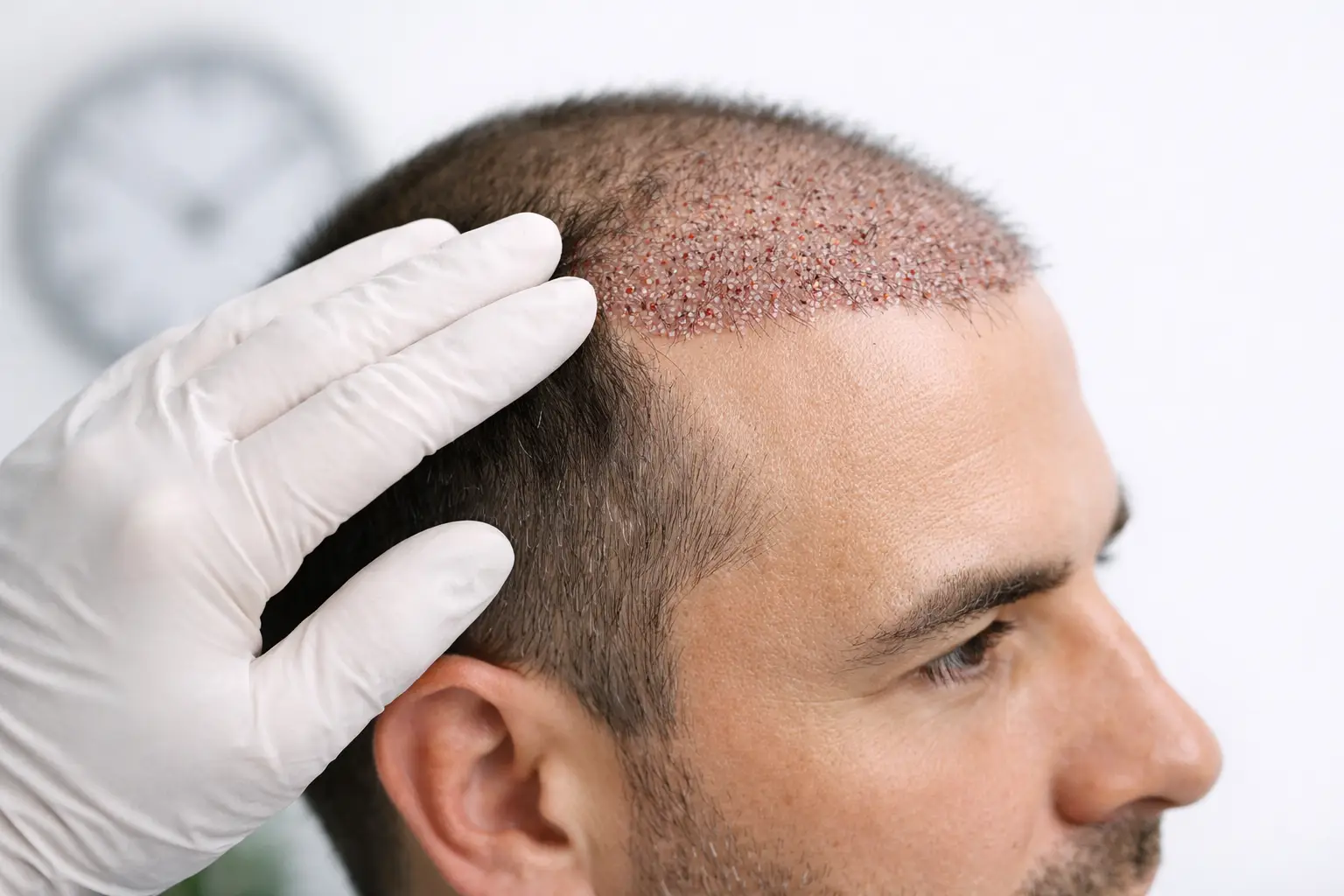
The first few days after a hair transplant can feel tense as you wait for your grafts to heal. If you are wondering how long until hair transplant grafts secure, the practical answer is that grafts are most vulnerable during the first 7 to 10 days. By around day 10 to 14, they are generally sufficiently anchored in the recipient area, although healing continues beneath the skin for much longer.
That early window matters because transplanted follicles need time to establish a blood supply and settle into their new location. Following your clinician’s aftercare instructions carefully helps protect the result and reduces avoidable risks such as bleeding, infection, swelling or dislodged grafts.
How long until hair transplant grafts secure?
Most patients can think of graft security in stages rather than one precise moment. For the first two to three days, the grafts are particularly delicate. A direct knock, rubbing, scratching or forceful washing can easily disturb them.
Between days 4 and 7, tiny scabs commonly form around the implanted hairs. This is a normal part of healing, but it does not mean the grafts are fully secure. Avoid picking at scabs, even if they feel itchy or look noticeable. Pulling one away too soon can tug out the newly transplanted hair and irritate the surrounding skin.
By days 7 to 10, the grafts are becoming much more stable. Many clinics consider the highest-risk period for accidental dislodgement to have passed by about day 10. At around 10 to 14 days, grafts are generally secure enough that normal gentle contact is unlikely to dislodge them.
This timeline is a guide, not a reason to ignore personalised advice. The technique used, the size of the procedure, where grafts were placed, your skin healing response and any medical conditions can all affect your recovery plan. Your treating medical professional is best placed to confirm when you can return to specific activities.
What happens while grafts are settling in?
A hair transplant moves healthy follicles, usually from the back or sides of the scalp, into areas affected by thinning or hair loss. Whether your procedure uses FUE or another clinically appropriate technique, each graft needs to connect with the blood supply in its new position.
In the first days, the scalp may look red and feel tender. Small crusts can develop in both the recipient and donor areas. Some people also experience forehead and facial swelling, particularly after a larger procedure. These effects are temporary and should be managed according to the post-procedure plan provided by your medical team.
It can be reassuring to know that the transplanted hairs often shed two to eight weeks after surgery. This is commonly called shock shedding and is expected for many patients. The follicle remains under the skin, while the visible hair shaft falls out before new growth begins. Shedding does not usually mean the transplant has failed.
New growth is gradual. Early hairs may appear around three to four months, with more noticeable change commonly developing from six months onward. Final density and maturation can take 12 months or, for some patients, up to 18 months. The secure-graft milestone is therefore only the first part of a much longer hair-restoration timeline.
The first 14 days: what to avoid
Your aftercare directions should always take priority, but the aim in the first fortnight is straightforward: protect the grafts from friction, pressure, sweat and contamination.
Avoid touching the recipient area unless you have been instructed to wash or apply a product. Do not scratch, massage or pick at the scalp. If itching becomes difficult, contact your clinic rather than experimenting with creams or over-the-counter products that have not been approved for your recovery.
Exercise also needs a short pause. Light walking may be appropriate early on if your clinician agrees, but strenuous gym sessions, running, contact sport and heavy lifting can increase blood pressure, sweating and swelling. Many patients are advised to wait at least one to two weeks before returning to vigorous activity, with contact sports often requiring a longer break.
Sun exposure is another common concern for Australians. A healing scalp can be more sensitive to UV exposure, and sunburn may affect comfort and recovery. Avoid direct sun where possible in the early period and ask your medical team when it is suitable to wear a loose, clean hat. Tight headwear that rubs against grafts should not be worn too soon.
Alcohol, smoking and vaping may also affect healing. Nicotine can reduce blood flow, while alcohol can contribute to swelling and may interact with prescribed medicines. Your clinician will advise you on appropriate timeframes before and after surgery.
Washing your hair without disturbing grafts
Hair washing is often the biggest source of anxiety after a transplant, but proper gentle cleansing is part of good aftercare. Clinics commonly provide specific instructions for when to start washing, which may be the day after surgery or after a short delay depending on your procedure.
Early washes generally involve letting lukewarm water flow gently over the scalp rather than using a strong shower stream. Shampoo may need to be diluted or lightly dabbed on, then rinsed without rubbing. Pat the area dry or allow it to air dry if advised. Do not use fingernails, a rough towel or a hairdryer on a hot setting over fresh grafts.
As scabs soften over the following days, washing usually becomes more thorough. However, do not force crusts off before your clinic says it is safe. By around day 10 to 14, gentle washing and careful removal of remaining scabs may be recommended. The exact process varies, so this is not a stage to follow generic online advice over your own medical instructions.
When can you return to work and social plans?
Many people return to desk-based work after several days, particularly if they can avoid a physically demanding commute and protect their scalp. Others prefer to allow a week or two because redness, swelling and scabbing can be visible. The right choice often comes down to the nature of your work and how private you would like your recovery to be.
For public-facing roles, planning a little extra downtime can reduce pressure. If you work outdoors, wear protective equipment, perform manual labour or are exposed to dust and heat, you may need more tailored restrictions. Be open with your treating team about your work environment before the procedure so your aftercare plan is realistic.
Social events can usually be managed once you feel comfortable, but avoid situations where the scalp may be bumped, exposed to heat or affected by alcohol. Hair fibres, styling products and camouflage sprays should only be used when approved by your clinician.
Signs you should contact your clinic
Some tenderness, redness and scabbing are expected. However, worsening pain, spreading redness, increasing heat, pus-like discharge, fever, persistent bleeding or significant swelling should be assessed promptly. Contact your treating clinic for advice rather than waiting for a routine follow-up.
It is also worth getting in touch if you believe a graft has been knocked or rubbed in the first week. In many cases, a brief accidental touch will not cause harm, but your medical team can assess the situation and give clear next steps. Taking photos can be useful if the clinic asks to review the area remotely.
Protecting your investment in the months ahead
A hair transplant redistributes existing follicles. It does not automatically stop ongoing hair loss in untreated areas, which is why a longer-term plan matters. Depending on the cause and pattern of your hair loss, your clinician may discuss medical therapies, PRP treatments or medication to support your existing hair.
Professional assessment is particularly valuable for women with diffuse thinning, people with sudden hair loss, and anyone with scalp symptoms or a medical history that could affect healing. A clinically delivered hair transplant should begin with suitability, not a promise of a particular result.
Affordable care should still include proper consultation, realistic expectations and follow-up from medical professionals. Give your scalp the quiet recovery period it needs, keep every follow-up appointment, and ask questions early if something does not feel right. Those small decisions in the first fortnight can help protect the work that supports your result over the year ahead.