
How to Prepare for PRP Hair Treatment Safely
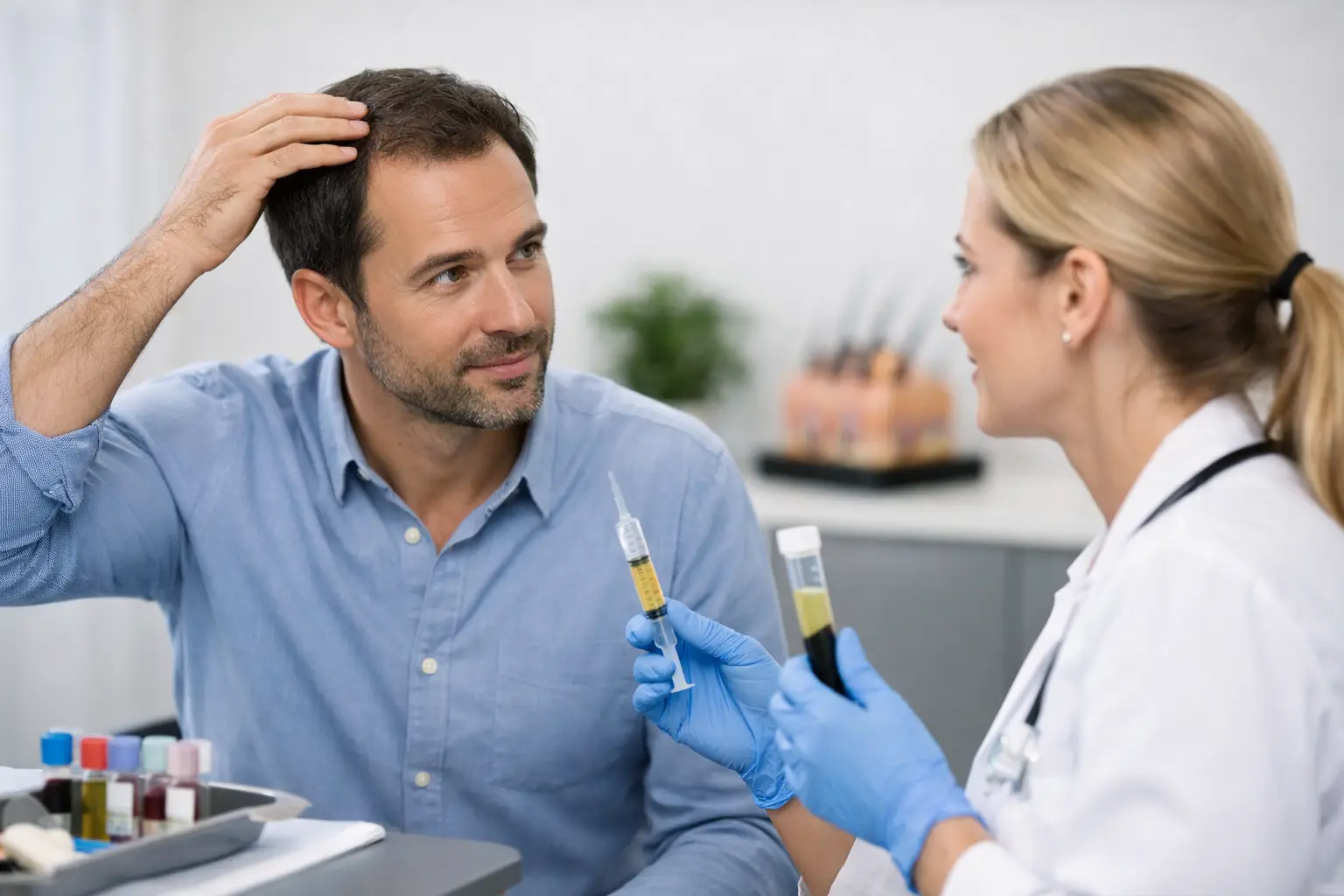
PRP hair treatment starts well before your appointment. Knowing how to prepare for PRP hair treatment can help your clinician assess whether it is suitable, collect a quality blood sample and plan treatment around your individual hair-loss pattern. It also gives you the opportunity to raise concerns about safety, cost, recovery and the results you can realistically expect.
PRP, or platelet-rich plasma, treatment uses a concentrated component of your own blood. A small blood sample is taken, processed to concentrate the platelets, then carefully administered into areas of thinning hair by a qualified medical professional. It is a medical procedure, not a salon service, so preparation should always be guided by the clinician carrying out your treatment.
Start with a proper clinical consultation
Hair thinning can have several causes, including hereditary pattern hair loss, hormonal changes, nutritional deficiencies, stress-related shedding, scalp conditions and some medications. PRP may be considered for certain people, but it is not the right approach for every cause of hair loss.
Your consultation should cover when the thinning began, whether it is progressing, your family history, current medications, medical conditions and any previous hair-restoration treatment. A clinician may examine your scalp and discuss whether PRP, medical management, hair transplantation or a combined approach is more appropriate for your goals.
Be open about your expectations. PRP is generally intended to support hair quality and density in suitable candidates, particularly where hair follicles are still active. It cannot reliably restore follicles that are no longer present, and it cannot promise a full head of hair. Early or moderate thinning may respond differently from advanced hair loss, which is why an honest assessment matters.
How to prepare for PRP hair treatment medically
The most important preparation step is providing a complete medical history. Tell your treating practitioner about prescription medicines, over-the-counter products, vitamins, herbal supplements and previous reactions to needles or blood tests. This includes treatments that may not seem related to your hair.
Some medicines and supplements can affect bleeding, bruising or platelet function. Examples may include anticoagulants, antiplatelet medicines, anti-inflammatory medicines and supplements such as fish oil, vitamin E, garlic or ginkgo. Do not stop, start or alter any medication on your own. Your GP, specialist and PRP clinician need to advise you on what is safe for your individual circumstances.
You should also disclose if you have a bleeding or platelet disorder, anaemia, an active infection, autoimmune disease, cancer history, liver disease or a condition that affects wound healing. Pregnancy and breastfeeding should be discussed during consultation, as treatment suitability can depend on your circumstances and the clinic's clinical protocols.
If you are unwell with a fever, significant infection or a scalp flare-up before your session, contact the clinic rather than simply arriving for the appointment. Rescheduling may be the safer option. PRP relies on your own blood sample, so your general health on the day is relevant.
Look after your body in the week before treatment
There is no complicated pre-treatment regime required, but a few sensible habits can make the day easier. Stay well hydrated in the days leading up to your appointment. Good hydration can make blood collection more straightforward, particularly if you tend to find blood tests difficult.
Aim for normal, balanced meals and avoid arriving depleted from fasting, a very restrictive diet or a long day without food. Unless your clinician has specifically instructed otherwise, having a light meal before the procedure may help reduce light-headedness during blood collection.
Alcohol can contribute to dehydration and may increase the likelihood of bruising for some people. Your clinic may recommend avoiding it for a set period before treatment. Smoking and vaping can also affect circulation and healing, so this is worth discussing candidly with your clinician if it applies to you.
Avoid introducing a new scalp product, intensive exfoliant or chemical hair treatment immediately before your appointment. Colouring, bleaching, straightening or treating an irritated scalp can make the area more sensitive. If you have a regular hair-colour appointment planned, ask your clinic how to time it around PRP rather than guessing.
On the day of your PRP appointment
Wash your hair as you normally would, unless you have received different instructions. A clean scalp without heavy styling products, dry shampoo, fibres, oils or thick concealer products allows the clinician to assess and treat the target area more easily.
Wear comfortable clothing and consider choosing a top that does not need to be pulled tightly over your head afterwards. This is a small practical detail, but it can be helpful if your scalp feels tender following injections.
Bring a list of your medications and supplements if you have not already provided one. It is also useful to bring questions that you want answered. Common questions include how many sessions are recommended, how far apart they should be, what the treatment plan costs, when normal hair washing can resume and whether PRP can be combined with other hair-loss treatments.
Most people can travel home after PRP without assistance. However, if you are anxious around needles, prone to fainting or concerned about discomfort, mention this in advance. A clinic can often make practical arrangements to help you feel more comfortable.
Know what happens during treatment
A PRP session usually begins with a blood draw. The sample is placed in specialised equipment that separates and concentrates the platelet-rich plasma. Your medical professional then administers the prepared PRP into the treatment area using a series of small injections.
Sensations vary. You may feel brief pinching, pressure or tenderness across the scalp. Your clinician will explain the method used to manage comfort and what you may feel during the procedure. Be wary of providers who minimise the fact that PRP involves blood handling and scalp injections. Appropriate hygiene, trained clinical administration and clear consent are central to a credible treatment experience.
The appointment is also a good time to confirm your follow-up plan. PRP is commonly delivered as a course rather than judged after a single session. The appropriate number and spacing of appointments depends on your degree of thinning, hair-loss diagnosis, medical history and response over time.
Plan for the first day after PRP
Your scalp may be mildly sore, tight, red or swollen after treatment. Small spots of bleeding, tenderness or a headache can occur. Your clinician will give you personalised aftercare instructions, including guidance on washing your hair, exercise, hats, sun exposure and pain relief.
Avoid rubbing, scratching or massaging the treated area unless you have been specifically told to do so. It is usually wise to keep the day relatively low-key, particularly if your scalp is tender. Schedule your appointment with enough room afterwards that you are not rushing to a strenuous workout, a long flight or an event where you need to wear a tight hat.
Contact your clinic promptly if you experience symptoms that feel unusual or concerning, such as increasing redness, significant swelling, fever, discharge or severe pain. Although PRP uses your own blood, any injection-based procedure should be supported by clear clinical follow-up.
Prepare for a measured result, not an overnight change
Hair grows slowly, and visible change after PRP can take time. Some people notice changes in shedding, texture or density over several months, while others may see limited benefit. Results depend on the underlying cause of hair loss, the stage of follicle miniaturisation, consistency with the recommended plan and individual biology.
Take clear photographs before treatment in the same lighting, angle and hairstyle. These can be more useful than relying on day-to-day impressions, which are often influenced by styling, weather, stress and how closely you are looking in the mirror. Your clinician may also document your baseline to support objective follow-up.
For Australians looking for an affordable, clinically delivered path to hair restoration, preparation is part of making an informed decision. Luxe Medical Procedures can discuss PRP treatment in the context of your hair-loss pattern and wider treatment options, with medical-professional care at the centre. The best next step is a consultation where you can ask direct questions and receive advice tailored to your health, scalp and hair goals.