
PRP Treatment for Hair Loss Side Effects
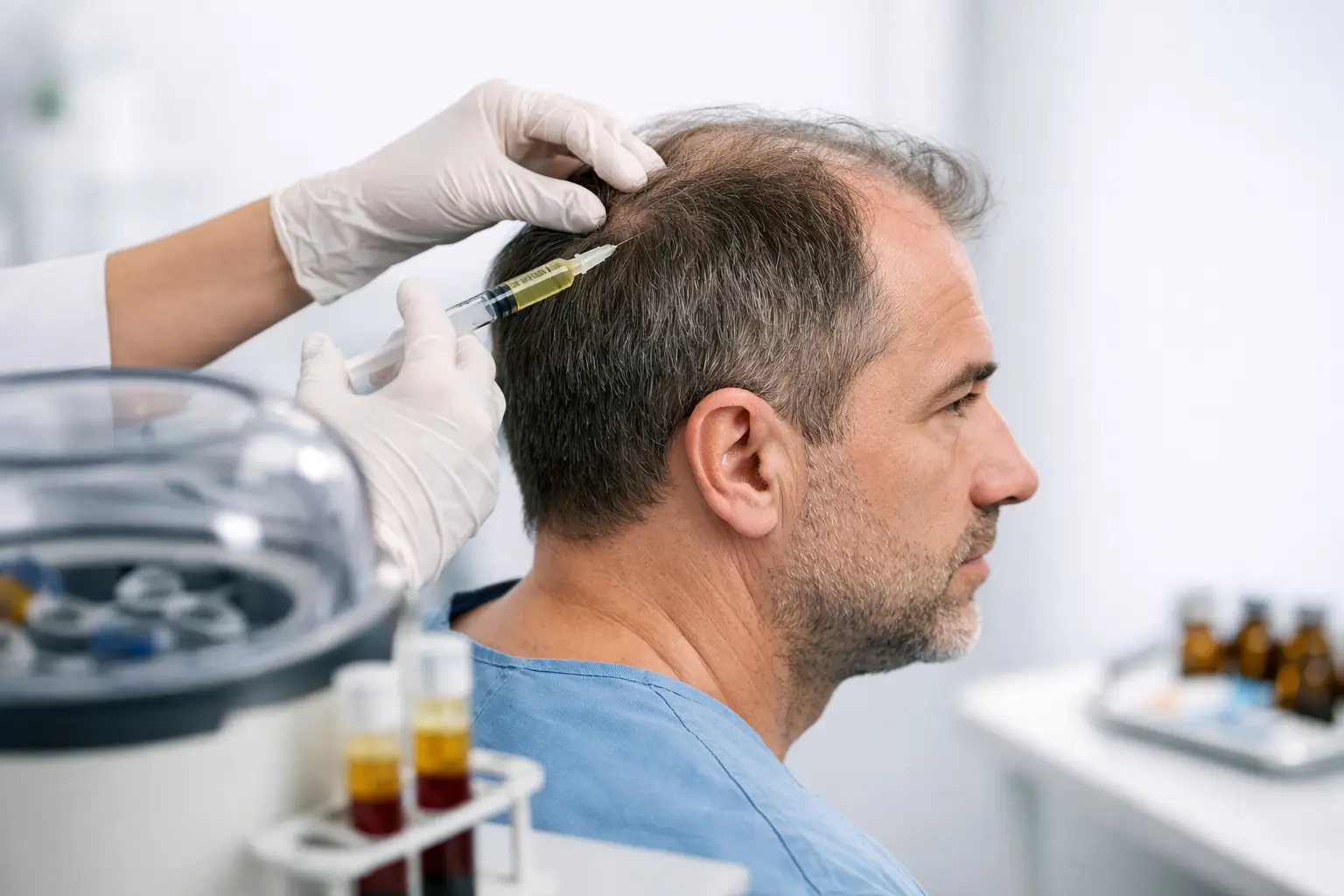
PRP treatment for hair loss side effects are usually mild and short-lived, but they still deserve a clear conversation before you commit to treatment. If thinning hair, a widening part or a receding hairline is affecting your confidence, it is understandable to want an option that feels less invasive than surgery. Platelet-rich plasma, or PRP, may be suitable for some people, provided it is assessed and carried out by qualified medical professionals.
PRP uses a small sample of your own blood. The sample is processed to concentrate platelets, then the platelet-rich plasma is injected into targeted areas of the scalp. Because the material comes from your own blood, the risk of an allergic reaction is generally low. That does not mean there are no risks, however, and the quality of assessment, hygiene and injection technique matters.
What are the common PRP treatment for hair loss side effects?
Most people can return to normal, low-key activities shortly after a PRP appointment. The scalp may be tender for a day or two, particularly in areas that received multiple injections. This is the most common experience and is usually manageable without disrupting work or home life.
You may also notice minor swelling, redness, pinpoint bleeding or small bruises at the injection sites. Some patients describe a tight, itchy or mildly burning feeling across the scalp as the area settles. A headache can occur, either from the injections themselves or from temporary scalp sensitivity.
These effects should steadily improve rather than become more intense. Your treating clinician can explain what is expected for your specific treatment area and give you personalised aftercare instructions. Following those instructions is part of keeping recovery straightforward.
How long does scalp soreness last?
For many patients, tenderness is most noticeable on the day of treatment and the following day. Mild bruising can take several days to fade, especially if you bruise easily. The exact recovery period varies with the number of injections, the sensitivity of your scalp, any medicines you take and your individual healing response.
It is sensible to plan treatment before a quieter day if you are concerned about visible redness or tenderness. PRP does not usually require extended downtime, but it is still a medical procedure involving injections, not a salon service.
Less common risks to discuss before PRP
Although serious complications are uncommon when PRP is properly administered, they can occur. Infection is a risk whenever the skin is punctured. Ongoing pain, increasing warmth, spreading redness, discharge or fever should be reviewed promptly by a medical professional.
A temporary inflammatory response at the injection area may also occur. In rare cases, there may be injury to nearby nerves or blood vessels, prolonged bruising, scarring or changes in scalp sensation. Some people may experience a flare of a pre-existing scalp condition. These outcomes are not typical, but informed consent means understanding them before treatment rather than being surprised afterwards.
PRP is not guaranteed to stop hair loss or regrow hair. A lack of visible improvement is not a physical side effect, but it is an important treatment consideration. Hair loss has different causes, including androgenic alopecia, hormonal changes, nutritional deficiencies, autoimmune conditions, illness and some medications. Treating the wrong cause with PRP can mean spending time and money without achieving the outcome you hoped for.
Who may need to postpone or avoid treatment?
A proper consultation should come before any course of PRP treatments. Your clinician will ask about your health history, current medication, allergies, scalp symptoms and the pattern and timing of your hair loss. In some cases, blood tests or further medical investigation may be more appropriate before proceeding.
PRP may be unsuitable, or require extra caution, for people with certain platelet disorders, bleeding conditions, active infections, some autoimmune conditions or a history of significant scarring issues. People taking anticoagulants or medicines that affect platelet function need individual medical advice. Pregnancy and breastfeeding also warrant a clinician-led discussion, as treatment decisions need to account for the wider clinical picture.
An actively inflamed, infected or sunburnt scalp should be assessed and treated before injections are considered. If your hair has begun shedding suddenly, in patches, or alongside fatigue, skin changes or other health symptoms, do not assume it is routine pattern hair loss. A medical assessment can help identify whether there is an underlying cause that needs attention.
What happens during a clinically delivered PRP appointment?
Knowing the process can make side effects feel less daunting. First, a small amount of blood is taken, much like a standard blood test. It is placed in a centrifuge so the platelet-rich portion can be prepared. The clinician then injects the PRP into selected areas of the scalp using fine needles.
The injections can be uncomfortable, particularly along the hairline or crown where the scalp is sensitive. Your provider should be upfront about this and discuss available comfort measures. The appointment should also include clear advice on caring for the treated area, what products or activities to avoid temporarily, and when to contact the clinic.
A professional setting is not simply about comfort. Appropriate screening, sterile technique and medical oversight reduce avoidable risk and make it easier to respond appropriately if you experience an unexpected reaction.
Practical aftercare to reduce irritation
Aftercare instructions vary, so your clinician's advice comes first. In general, avoid touching, scratching or vigorously massaging the scalp immediately after treatment. This helps protect injection sites while they settle.
It may be advisable to delay intense exercise, swimming, saunas and heavy sweating for a short period, as heat and perspiration can irritate a freshly treated scalp. You may also be asked to avoid certain hair products or anti-inflammatory medicines around the appointment. Do not stop prescribed medication without discussing it with the doctor who prescribed it.
Gentle hair care is usually the right approach. Avoid aggressive brushing, tightly pulled hairstyles and chemical treatments until your scalp is comfortable again. If you colour your hair, ask specifically when it is appropriate to resume, rather than relying on general advice online.
When should you contact your clinician?
Minor tenderness and small areas of redness are generally expected. Contact your clinic if pain is severe, lasts longer than expected or worsens after initially improving. Seek prompt medical advice for increasing swelling, extensive redness, pus, fever, dizziness, hives, breathing difficulty or any symptom that feels concerning.
It is also worth getting in touch if you are uncertain about an aftercare instruction. Asking early is preferable to guessing, particularly if you have other medical conditions or are taking regular medication.
Is PRP worth considering for hair loss?
PRP can be considered as part of a broader, medically guided hair-restoration plan for suitable patients. It may be used on its own in selected cases, alongside clinically appropriate hair-loss medication, or as a supportive treatment around hair transplant planning. The right choice depends on the cause of hair loss, how advanced it is, the density of donor hair where transplantation is being considered, your health and your expectations.
A trustworthy consultation should not promise a one-size-fits-all result. It should explain the likely commitment involved, including the possibility of an initial series of appointments and maintenance treatments, as well as alternatives that may be better suited to your circumstances. Affordability matters, but so does ensuring the procedure is carried out with proper medical care.
Hair loss can feel personal, yet the decision about treatment should be practical and well-informed. A clinician who takes the time to assess your scalp, explain realistic outcomes and discuss PRP side effects openly gives you a safer foundation for deciding whether treatment is right for you.