
PRP Treatments for Hair Loss Near Me: What to Check
Hair thinning can feel personal, even when it is common. If you are searching for PRP treatments for hair loss near me, the most useful result is not simply the closest clinic. It is a medically supervised service that takes time to assess why your hair is changing, whether PRP is appropriate for you and what outcomes are realistic.
PRP, or platelet-rich plasma, is a treatment that uses a concentrated portion of your own blood. It is commonly considered by Australians experiencing early pattern hair loss, diffuse thinning or reduced density around the hairline, crown or part line. Because hair loss has many causes, professional assessment matters before starting any course of treatment.
What PRP treatment for hair loss involves
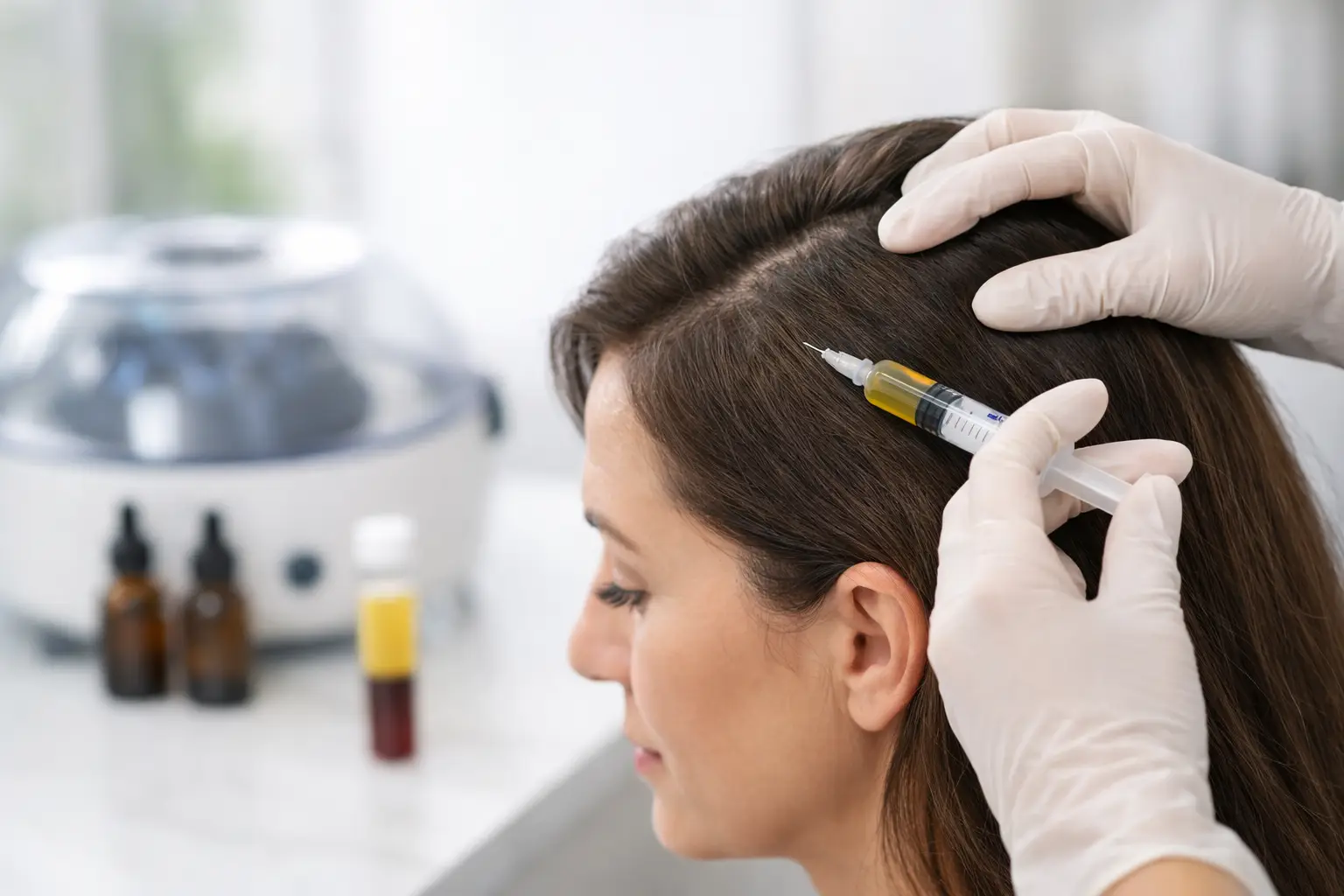
A PRP appointment begins with a small blood draw, similar to a routine pathology collection. The sample is processed to separate the platelet-rich plasma from other blood components. That concentrated plasma is then injected into areas of the scalp affected by thinning.
Platelets contain growth factors involved in normal tissue repair. In hair restoration, PRP is used with the aim of supporting the existing follicles and scalp environment. It is not a hair transplant, and it does not move hair follicles from one area of the scalp to another. Its role is generally to help preserve and improve the appearance of hair that is still present, where a patient is a suitable candidate.
Treatment protocols vary. A clinician may recommend an initial series of sessions spaced several weeks apart, followed by review appointments or maintenance treatment where appropriate. The right schedule depends on the pattern and progression of hair loss, your medical history, your response to treatment and the clinic's medical protocol.
The procedure is usually completed within one appointment. You may experience temporary tenderness, mild swelling, redness or pinpoint bleeding at injection sites. A qualified practitioner should explain expected side effects, aftercare and the signs that warrant follow-up before treatment begins.
Who may be a suitable candidate?
PRP can be worth discussing when thinning is relatively early and there are still active hair follicles in the treatment area. Men with androgenetic hair loss and women with pattern thinning are among the people who may seek an assessment. It can also be considered as part of a broader hair-restoration plan for patients who want to support existing hair around a transplant area.
Suitability is not determined by a photo alone. Sudden shedding, patchy hair loss, scalp inflammation, nutritional deficiencies, hormonal changes, illness, medication effects and autoimmune conditions can all contribute to hair loss. These situations may require a different medical approach, or further investigation, before PRP is considered.
PRP is also not a guaranteed solution. Results vary between individuals, and the treatment cannot recreate follicles where there is long-standing baldness and no viable hair remains. A reputable clinic will be clear about this rather than promising a particular density, hairline or rate of regrowth.
PRP, medication and hair transplants are different options
It helps to understand where PRP sits among the main hair-loss treatments. Medical therapies may be recommended for some patients to slow pattern hair loss, depending on their circumstances and clinical suitability. PRP may be used alone or alongside medically advised treatment, but it should not be presented as a replacement for every other option.
A hair transplant is different again. It is a surgical procedure in which healthy follicles are moved from a donor area, usually at the back or sides of the scalp, to areas of thinning or loss. This can be more appropriate for people with stable hair loss, adequate donor supply and areas where follicles are no longer producing visible hair.
For some patients, PRP can complement a transplant plan by supporting the surrounding native hair. For others, it may be a non-surgical option to consider first. The best pathway depends on your scalp, donor hair, age, family history, pattern of loss and long-term goals.
How to choose PRP treatments for hair loss near you
Convenience matters, particularly when a treatment plan involves multiple appointments, but clinical standards should come first. Look for a provider that treats PRP as a medical procedure rather than a quick beauty service.
Your consultation should involve more than being offered a package. A clinician should ask about when your hair loss began, whether it is worsening, relevant health conditions, medications and previous treatments. They should examine your scalp and explain whether PRP is likely to suit your stage of hair loss. If the cause is unclear, a responsible provider may recommend that you speak with your GP or arrange further assessment first.
Ask who carries out the treatment and what professional oversight is involved. PRP for hair loss should be administered within an appropriate clinical setting by qualified medical professionals. You should also receive clear information about the process, expected discomfort, possible side effects, aftercare and the likely number of sessions.
Price should be transparent. Affordable care is valuable, but the lowest advertised session cost does not always show the full commitment involved. Check whether the quoted amount includes consultation, blood processing, treatment areas, review appointments and any recommended maintenance sessions. Knowing the whole plan helps you compare clinics fairly and avoid unexpected costs later.
Privacy can be another deciding factor. Hair loss is often emotionally difficult, and many people prefer a discreet, respectful consultation where they can ask direct questions without pressure. A good clinic will give you space to consider your options rather than pushing you into treatment on the day.
What results and timing can you expect?
Hair grows in cycles, so PRP is not a fast cosmetic fix. Changes, where they occur, are usually assessed over months rather than days or weeks. Some patients may notice reduced shedding, improved hair calibre or greater coverage in thinning areas. Others may see limited change, particularly where hair loss is advanced or continues to progress.
Photographs taken under consistent lighting and angles can be useful for monitoring. A clinician may also assess hair density, scalp visibility and the stability of your hair-loss pattern over time. This is more reliable than trying to judge progress from day-to-day mirror checks.
Consistency matters. If a clinician recommends a series of treatments, missing appointments or stopping after one session may make it difficult to assess whether PRP is helping. At the same time, ongoing treatment should have a clear purpose. Review appointments are an opportunity to discuss your response, adjust the plan or consider alternatives if the expected benefit is not being achieved.
Questions to ask at your consultation
Before proceeding, ask what type of hair loss the clinician believes you have and why PRP is being recommended. Ask what outcomes are realistic for your current level of thinning, how many sessions may be needed and when results will be reviewed.
It is also reasonable to ask about risks, recovery, total expected cost and whether another treatment may be more suitable. If you have a medical condition, take regular medication, are pregnant or breastfeeding, or have a scalp concern, raise it before treatment. Full disclosure helps the practitioner make a safer recommendation.
At Luxe Medical Procedures, PRP treatments and hair-restoration options are approached as clinical services, with medical-professional care and affordability considered together. The aim is to give patients a credible pathway forward, not a one-size-fits-all promise.
The right next step is a proper consultation: one that respects the impact hair loss can have, explains the options plainly and helps you decide whether PRP fits your hair-restoration goals.