
Scalp PRP Candidate Factors and Suitability
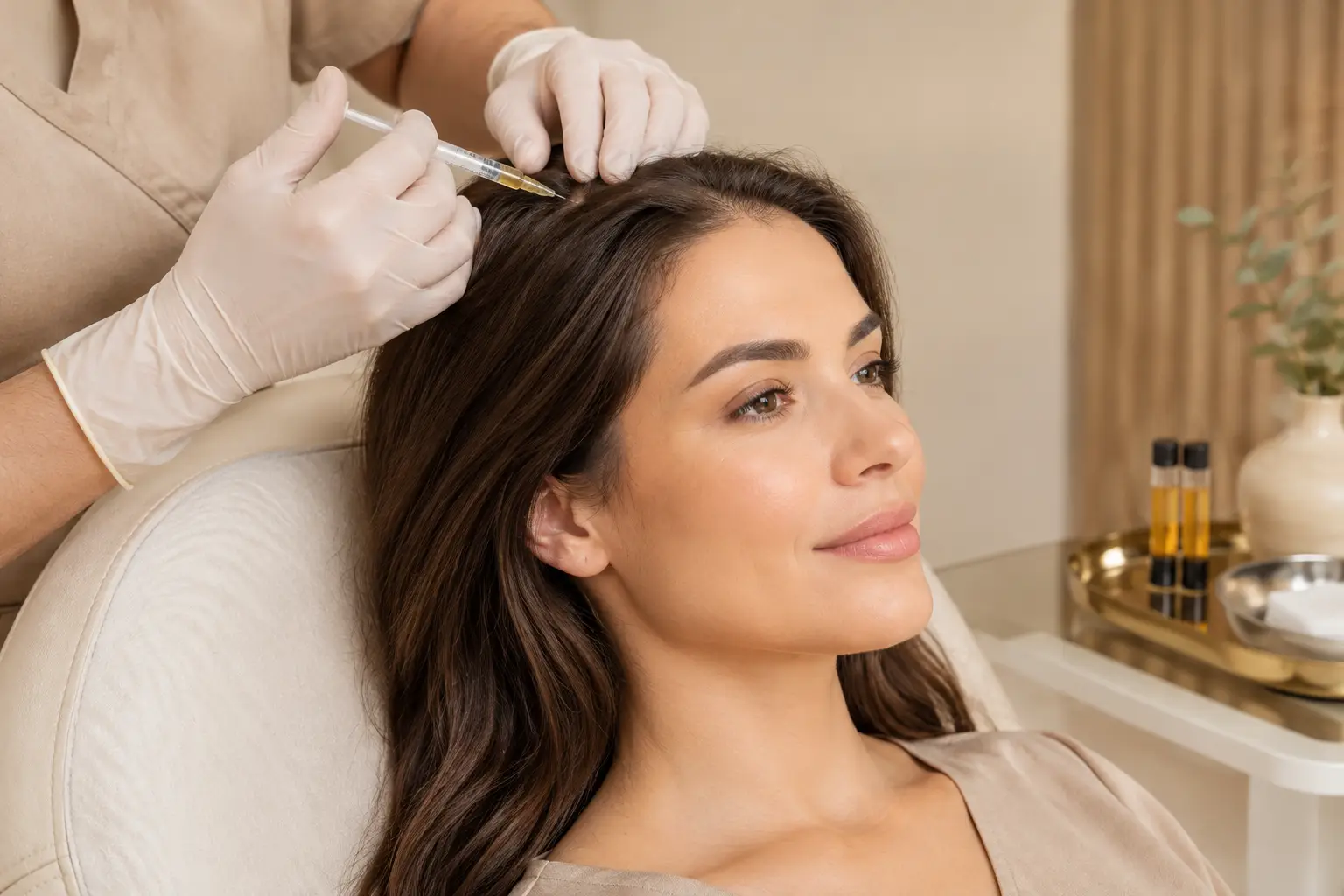
PRP is not a one-size-fits-all answer to thinning hair. The most useful scalp PRP candidate factors are the cause and stage of hair loss, the condition of the scalp, your medical history and what you hope treatment can realistically achieve. A proper assessment helps determine whether platelet-rich plasma treatment is likely to be a worthwhile option, whether another treatment should come first, or whether PRP may work best as part of a broader hair-restoration plan.
What scalp PRP treatment is designed to do
Platelet-rich plasma, or PRP, uses a concentrated portion of your own blood containing platelets and growth factors. After a blood sample is taken and processed, the platelet-rich plasma is carefully administered into areas of the scalp affected by thinning.
For suitable candidates, scalp PRP treatments may support existing hair follicles and help improve the appearance of hair density over time. It is generally considered for people whose follicles are still active but producing finer, weaker or slower-growing hairs. This distinction matters: PRP is not designed to create new follicles in an area where follicles have been absent for many years.
Results vary. Hair-loss type, treatment consistency, underlying health and individual biology all influence how someone responds. A medical consultation should focus on whether PRP is appropriate for your circumstances, not on a blanket promise of regrowth.
The key scalp PRP candidate factors
Your type of hair loss
Pattern hair loss is one of the more common reasons people explore PRP. In men, this may appear as a receding hairline, thinning through the crown or both. In women, it often presents as a widening part or more diffuse loss of density across the top of the scalp.
PRP may be considered when hair thinning is related to androgenetic alopecia, particularly where there are still miniaturised hairs in the treatment area. These follicles may have potential to respond better than areas that are completely smooth or have longstanding baldness.
Not all shedding is pattern hair loss. Sudden diffuse shedding can be associated with illness, hormonal changes, significant stress, nutritional deficiencies, rapid weight change or some medications. Alopecia areata, scarring forms of alopecia and inflammatory scalp conditions require different clinical considerations. Identifying the cause is a central part of deciding if PRP is suitable.
How early the thinning is
Earlier intervention often gives PRP more to work with. If you are noticing increased shedding, a widening part, reduced density in photographs or a gradually receding hairline, it may be worth arranging an assessment before the hair loss becomes more advanced.
That does not mean people with more significant thinning are automatically unsuitable. PRP can sometimes be considered to support existing hair around transplanted areas or to maintain native hair alongside a hair transplant plan. However, if an area has little to no active hair remaining, a clinician may discuss whether hair transplant surgery or another pathway is more likely to meet your goals.
Scalp health and active conditions
The scalp needs to be assessed before injections are planned. Conditions such as active infection, open wounds, significant dermatitis, psoriasis flare-ups or severe irritation may need treatment and stabilisation first.
This is not simply about comfort. Treating an inflamed or compromised scalp can affect procedure planning and may not be appropriate until the underlying issue is managed. A clinician can examine the scalp, ask about symptoms such as itch, scale or pain, and advise on the safest timing.
Medical history and medications
Because PRP is a medical procedure involving your own blood and scalp injections, your medical history matters. Certain blood disorders, platelet conditions, bleeding disorders, active cancer treatment and uncontrolled medical conditions may affect suitability. Pregnancy or breastfeeding can also change the timing of elective treatments, depending on your individual circumstances and medical advice.
Medications and supplements deserve the same attention. Blood-thinning medicines, anti-inflammatory medicines and some supplements can affect bleeding, bruising or platelet function. Do not stop prescribed medication to prepare for PRP unless the doctor managing that medicine specifically tells you to do so.
Be ready to discuss your full history openly. It allows the treating medical professional to make a safer recommendation and, where appropriate, coordinate care with your GP or specialist.
Your expectations and ability to follow a plan
PRP usually involves a course of treatments rather than one appointment. The recommended spacing and number of sessions will vary based on hair-loss pattern, clinical assessment and response. Maintenance treatments may also be discussed.
Candidates are generally better placed when they understand that changes are gradual. Hair grows in cycles, so any improvement in shedding, hair calibre or visible density takes time to assess. Before-and-after photographs taken in consistent lighting can be more useful than checking the mirror every day.
Cost is also a practical consideration. Affordable access matters, but the lowest advertised price should not replace professional assessment, sterile clinical processes and treatment delivered by appropriately qualified medical professionals.
When PRP may be combined with other hair-loss treatments
PRP can be a standalone option for some people, but it is often one component of a clinically guided plan. Depending on the diagnosis, a practitioner may discuss medical therapies, nutritional assessment, scalp care or hair transplant procedures.
For people considering a hair transplant, PRP may be discussed as an adjunct treatment for existing thinning hair. A transplant redistributes follicles from a donor area to areas of loss; it does not stop ongoing pattern hair loss in surrounding native hair. Managing that remaining hair can be an important part of protecting a natural-looking result over time.
The right combination depends on your goals. Someone wanting to slow early thinning may have a different plan from someone with advanced hairline recession who wants greater coverage. A credible clinic should explain the trade-offs clearly rather than positioning every patient for the same procedure.
Preparing for a PRP suitability consultation
A consultation is where general information becomes individual medical advice. Bring a clear timeline of when the hair loss began, how it has changed and whether family members have experienced similar thinning. Photos from previous years can be particularly helpful where the change has been gradual.
You should also tell the clinician about recent illness, operations, major stressors, dietary changes and any previous hair treatments. These details may point to a trigger that needs to be addressed alongside, or before, PRP.
To make the appointment more useful, prepare the following information:
- a list of all prescription medicines, over-the-counter products and supplements
- any diagnosed medical conditions, allergies or past reactions to procedures
- previous blood test results if you have been investigated for hair loss
- your priorities, such as reducing shedding, improving density or planning for a transplant
Ask how suitability will be assessed, what the recommended treatment schedule involves, what discomfort or recovery to expect and how outcomes will be reviewed. You should also ask what alternatives are appropriate if PRP is unlikely to give enough improvement for your goals.
Choosing clinically administered PRP care
Hair loss can make people vulnerable to quick fixes and broad claims. PRP should be approached as a clinical procedure, not a cosmetic trend. The quality of assessment, blood processing protocol, injection technique, hygiene standards and medical oversight all matter.
At Luxe Medical Procedures, PRP treatments are carried out by medical professionals, with the consultation designed to establish whether the treatment suits your hair-loss pattern and health profile. This medical approach is especially valuable if you are weighing PRP against hair transplant options or have an underlying issue that may be contributing to shedding.
A good candidate is not simply someone who wants thicker hair. It is someone whose diagnosis, scalp condition, health history and goals make PRP a sensible clinical option. Starting with an honest consultation gives you a clearer path forward and helps ensure the treatment you choose is right for the hair you have now.