
When Is Transplanted Hair Shedding Normal?
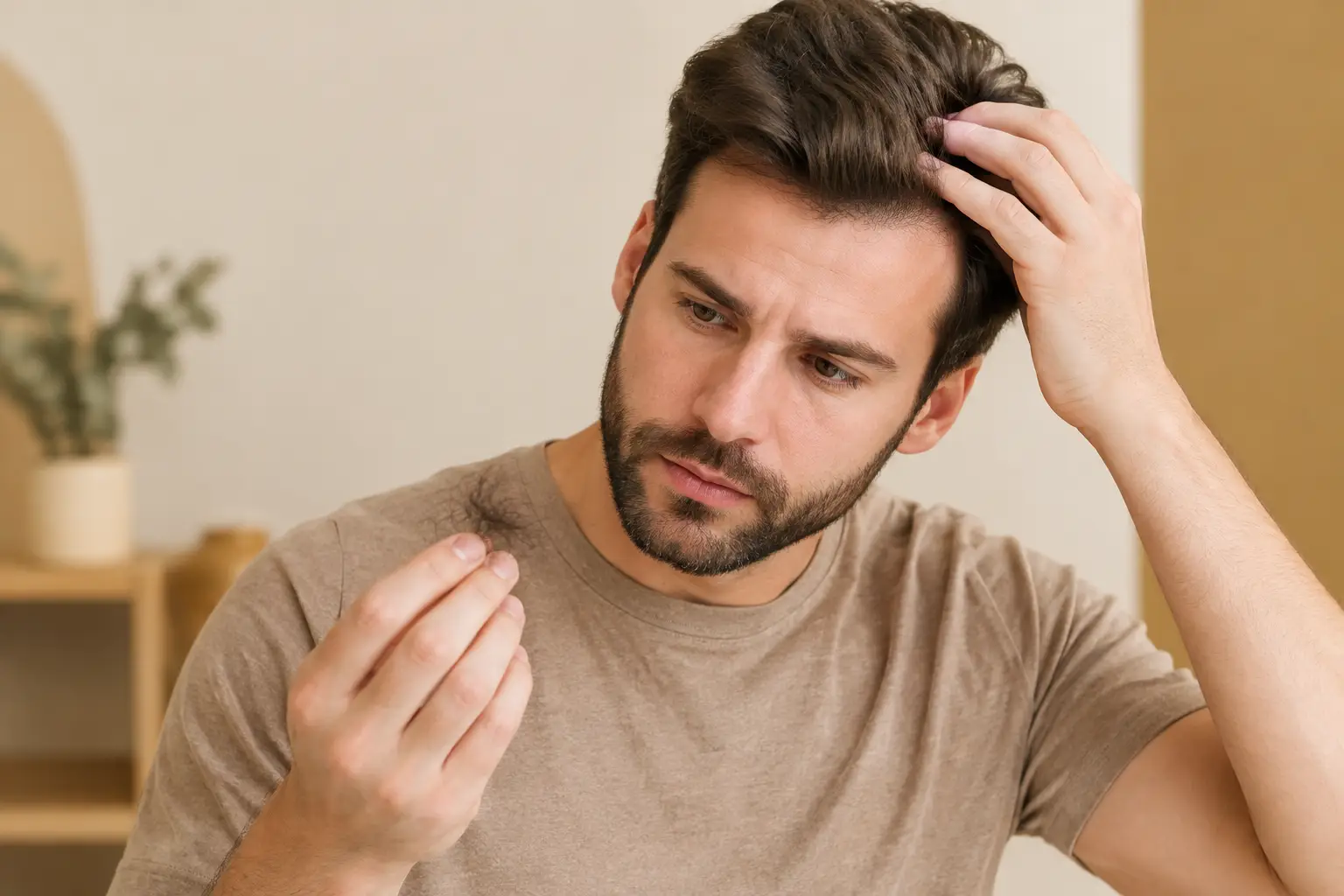
Seeing hairs fall out after a procedure can feel confronting, particularly when you have invested time, money and trust in a hair transplant. Yet transplanted hair shedding is usually an expected part of the recovery process, not a sign that the procedure has failed. Understanding what is happening beneath the scalp can make the waiting period far less stressful.
A hair transplant is carried out by moving healthy follicles, commonly from the back or sides of the scalp, into areas affected by thinning or hair loss. The follicles need time to settle, establish a blood supply and restart their growth cycle. The hair shaft may shed while the follicle remains safely in place.
Why transplanted hair shedding happens
In the first few weeks after a hair transplant, it is common for the newly transplanted hairs to fall out. This is often called shock shedding or temporary shedding. It occurs because moving follicles is a controlled form of trauma to the tissue, even when the procedure is performed carefully by medical professionals.
The visible hair that comes through the skin is not the follicle itself. Think of it as the strand produced by the follicle. After transplantation, the follicle can enter a resting phase and release that strand before beginning a new growth cycle. For most patients, this means seeing short hairs in the basin, on the pillowcase or while gently washing the scalp between roughly two and eight weeks after treatment.
This can be emotionally difficult because the early growth may have looked promising. However, shedding alone does not mean the grafts have been lost. The follicles sit below the skin and, if they have healed appropriately, can later produce new hairs.
What regrowth can look like after a hair transplant
Hair restoration does not follow a fast or perfectly even timeline. Individual healing, the extent of hair loss, graft numbers, scalp health and ongoing pattern hair loss can all affect what you see and when you see it.
For many people, the first two weeks are focused on healing. Small scabs and redness can occur, and your treating team will give you specific washing and aftercare instructions. Avoid picking scabs or rubbing the recipient area, as physical disturbance early in recovery can affect healing.
Temporary shedding often follows over the next several weeks. From around the second to fourth month, the scalp can appear similar to how it did before the procedure, or even look thinner while the transplanted follicles remain in their resting stage. This is commonly the most testing part of the process.
New growth may begin from around three to four months, often as fine, soft hairs. Density and texture can be variable at first. More noticeable change is often seen between six and nine months, while results can continue to mature for 12 months or longer. Hair transplanted into the crown may take longer to show than hair placed along a frontal hairline.
The key point is that a transplant is a long-term surgical procedure, not an instant cosmetic change. A careful consultation should include a realistic discussion about expected growth, density and the fact that results differ from person to person.
Can existing hair shed too?
Yes. Shock loss can also affect some of the existing, non-transplanted hair around the treatment area. This is more likely where native hairs are already fine or affected by pattern hair loss. In many cases, this shedding is temporary, but there is no single guarantee because each patient’s hair loss pattern and follicle health are different.
This is one reason professional assessment matters before a procedure. A clinician can assess the donor area, the quality of existing hair, the likely progression of hair loss and whether a transplant is appropriate at this stage. They can also discuss whether medical management or PRP treatments may have a place alongside a surgical plan.
PRP treatments use a concentration of platelets from your own blood and may be recommended for some patients as part of a broader hair-restoration approach. Suitability depends on your circumstances, and PRP should not be presented as a substitute for an individual clinical assessment or a guaranteed outcome.
How to care for your scalp during shedding
The right aftercare is not about trying to stop normal shedding. It is about protecting healing grafts, reducing avoidable irritation and following the plan provided by your medical team.
In the early days, only wash and touch the scalp as instructed. Your clinician may advise a gentle technique and particular timing for shampooing. Avoid vigorous rubbing, very hot water and styling products unless you have been told they are appropriate. Sun exposure should also be managed carefully while the scalp is healing.
Strenuous exercise, swimming, helmets and other activities that cause sweating, pressure or friction may need to be paused for a period. The exact restrictions vary according to your procedure and recovery, so generic advice from social media is not a replacement for your treating clinician’s instructions.
Try not to inspect the recipient area repeatedly or judge progress day by day. Taking clear photographs in consistent lighting once a month can provide a more accurate record of change. It also gives your medical team something useful to review at follow-up appointments.
When shedding needs medical advice
Expected shedding is generally limited to hair shafts and is not usually accompanied by escalating pain or significant inflammation. Contact your treating clinic promptly if you experience increasing redness, heat, swelling, pus, fever, severe or worsening pain, persistent bleeding, or a rash that concerns you.
You should also seek advice if you believe whole grafts have been dislodged, particularly in the first days after treatment. A graft may look like a small piece of tissue attached to a hair, rather than a hair strand alone. Do not attempt to replace anything yourself. Your treating team can advise on the appropriate next step.
If you are concerned that there has been no visible improvement by the timeframe discussed in your consultation, book a review rather than assuming the result is final. Hair growth timelines are variable, and a clinician who knows your procedure can assess your progress in context.
Why a medically led treatment plan matters
Online images and hair transplant marketing can make recovery look simple. In reality, a good outcome relies on much more than the procedure day. It involves appropriate candidate selection, donor-area planning, skilled graft handling, clear aftercare and access to follow-up support.
For Australians considering hair restoration, affordability matters, but so does knowing that treatment is carried out with proper medical oversight. The lowest advertised price may not reflect the quality of assessment, the experience involved or the support available if recovery does not go as expected.
At Luxe Medical Procedures, hair transplants and PRP treatments are approached as clinical services carried out by medical professionals. A consultation can help clarify whether your shedding is part of normal recovery, what your individual timeline may look like and which options fit your goals and budget.
The weeks after a transplant require patience, but you should never feel left to guess. Keep your follow-up appointments, follow your personalised aftercare plan and raise concerns early - calm, informed support is part of responsible hair-restoration care.