
What Are the P-Shot and O-Shot Injections?
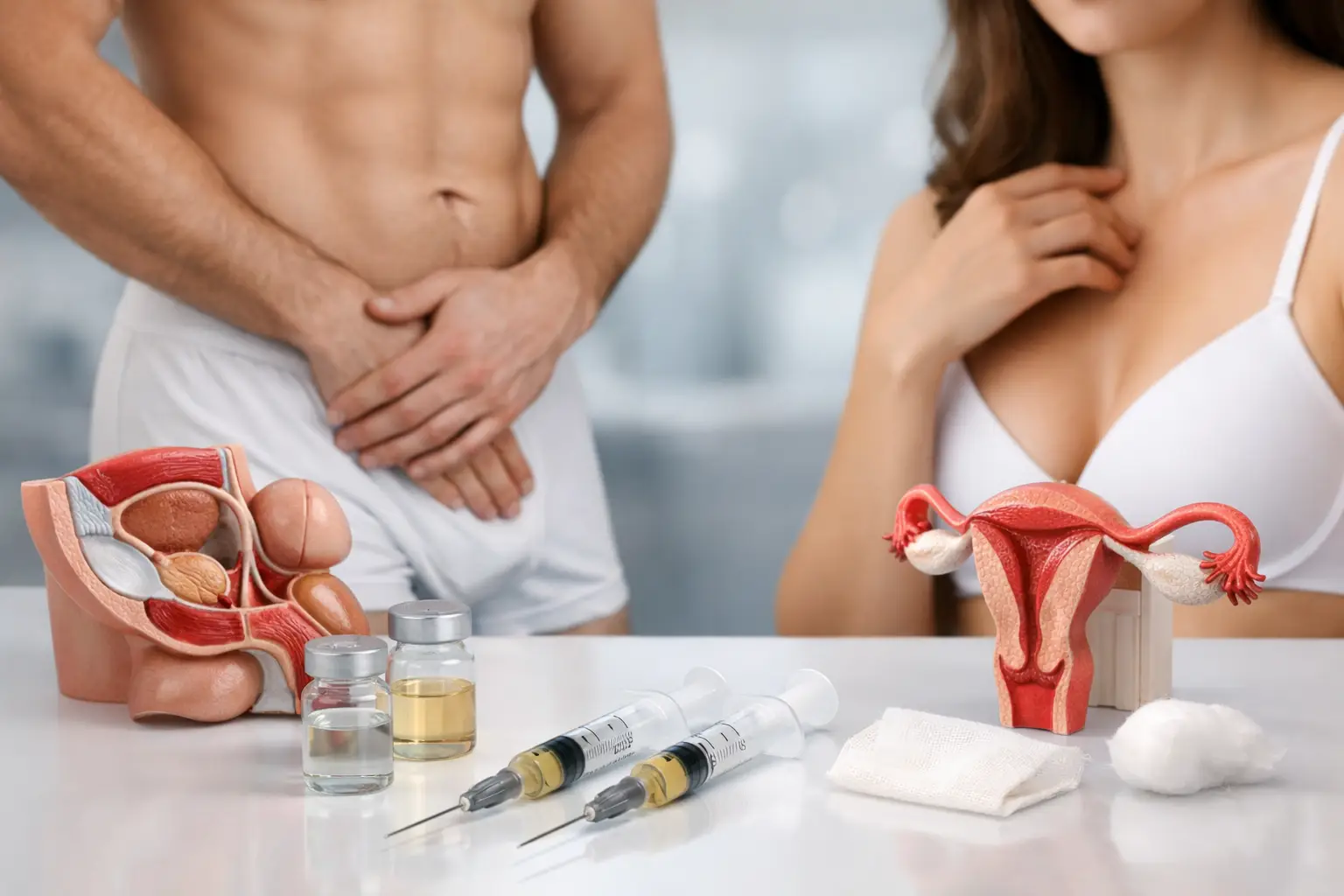
PRP is widely recognised in hair restoration, but it is also used in some clinics for sexual wellness concerns. So, what are the P-Shot and O-Shot injections? They are procedures that use platelet-rich plasma, or PRP, prepared from a small sample of a patient’s own blood and injected into specific genital tissues. They are marketed for sexual function, sensation and tissue health, but they are not suitable for everyone and the evidence supporting particular claims remains limited.
For anyone considering either procedure, the priority should be a proper medical assessment, realistic expectations and treatment carried out by an appropriately qualified medical professional. The name of a procedure should never replace a conversation about your symptoms, health history and safer, established treatment options.
What are the P-Shot and O-Shot injections?
The P-Shot and O-Shot are names used for PRP injection procedures intended for male and female sexual health concerns respectively. PRP is made by taking a blood sample and processing it in a centrifuge to concentrate platelets within the plasma. Platelets contain signalling proteins known as growth factors, which play a role in normal tissue repair and healing.
With a P-Shot, PRP is injected into areas of the penis. It is promoted as a treatment that may support erectile function, sensitivity and sexual performance. With an O-Shot, PRP is injected into selected vaginal and clitoral tissues. It is promoted for concerns such as reduced arousal, changes in sensation, vaginal dryness and some urinary symptoms.
The basic principle is similar in both treatments: using concentrated components from the patient’s own blood in an attempt to support tissue response. However, the way PRP is prepared, the injection sites, the amount used and the protocols followed can vary between practitioners. That variation is one reason results cannot be assumed or guaranteed.
What happens during a PRP injection appointment?
A consultation should come first. A medical practitioner will discuss the concern prompting treatment, relevant medications, allergies, blood disorders, previous surgery, pregnancy status where relevant, and any conditions that may affect safety or outcomes. Sexual symptoms can sometimes be linked to cardiovascular disease, diabetes, hormonal changes, pelvic floor concerns, infection, medication side effects or emotional wellbeing. Those causes may need investigation before an injection procedure is considered.
At the appointment, a small amount of blood is collected from your arm. The sample is processed to separate and concentrate the platelet-rich portion. A topical numbing cream or local anaesthetic may be used before the injections, depending on the area being treated and the practitioner’s clinical approach.
The injections themselves are generally brief. Mild swelling, tenderness, bruising or temporary sensitivity can occur afterwards. Your clinician should provide clear aftercare directions, including when normal sexual activity, exercise or other activities can be resumed. They should also explain what symptoms require prompt medical review.
Why do people consider these treatments?
People may seek a P-Shot after noticing changes in erection quality, penile sensitivity or confidence. Some are looking for options that use their own blood products rather than a medication or device. Others may have tried first-line approaches for erectile dysfunction and want to discuss whether PRP has a place in their broader care plan.
People considering an O-Shot may be experiencing changes associated with menopause, childbirth, pelvic surgery, stress, certain medications or ageing. Symptoms can include discomfort during sex, lower arousal, altered sensation or vaginal dryness. These concerns are common, but they deserve individual assessment rather than a one-size-fits-all treatment response.
PRP can sound appealing because it is autologous, meaning it comes from your own blood. That does not automatically make it risk-free, proven for every use or more appropriate than other treatments. A responsible consultation focuses on whether the proposed procedure matches the underlying issue.
What does the evidence say?
Research into PRP for sexual health is still developing. Some small studies and early clinical reports suggest possible benefits for particular patients, including people with erectile dysfunction or some female sexual health concerns. However, study sizes are often limited, preparation methods differ and longer-term, high-quality evidence is still needed.
This matters because the claims made around P-Shot and O-Shot procedures can be broader than the available research. No clinician can ethically promise improved erections, greater sensation, enhanced orgasm, increased penis size, reversal of menopause-related changes or a permanent result.
In Australia, patients should ask whether a treatment is appropriate for their circumstances and what evidence supports the specific use being proposed. PRP itself is used across several medical settings, including hair-restoration treatment, but its use in one area does not prove effectiveness in another. Hair PRP and genital PRP are different clinical applications, with different treatment goals and evidence bases.
Potential risks and who may not be suitable
Because these procedures involve injections, risks can include pain, bruising, bleeding, swelling, infection, tissue injury and an unsatisfactory result. There may also be no meaningful improvement. While using your own blood reduces the likelihood of an allergic response to the PRP itself, local anaesthetics and other products used during care can still cause reactions in some people.
Suitability depends on the individual. A clinician may advise against or delay treatment for someone with an active infection, certain bleeding or platelet disorders, uncontrolled medical conditions, a relevant cancer history, or medicines that increase bleeding risk. Pregnancy, breastfeeding and recent surgery may also affect the decision-making process.
It is particularly important not to self-diagnose erectile dysfunction or pelvic symptoms. For example, erectile dysfunction can be an early marker of cardiovascular health issues. Pain, bleeding, persistent urinary symptoms or sudden changes in sexual function should be medically assessed rather than treated solely as a cosmetic or wellness concern.
Questions to ask before choosing a provider
The quality of care is not just about the PRP device or the price of an appointment. It depends on the practitioner’s qualifications, their assessment process, infection-control standards and willingness to discuss limitations as clearly as potential benefits.
Before proceeding, ask who will perform the injections and what medical training they have. Ask how they determine whether you are a suitable candidate, what alternative treatments may be more established, what side effects they see most often and what follow-up is included. You should also ask what result is realistically expected, how long it may take to assess any change and whether more than one session could be recommended.
Cost should be transparent before treatment. A lower advertised price is not necessarily better value if it excludes consultation, anaesthetic, follow-up care or management of complications. Equally, a high price does not demonstrate that a procedure has stronger evidence. Clear clinical information and professional oversight should come before promotional promises.
Established options may be part of the answer
For erectile concerns, management may include lifestyle changes, treatment of contributing health conditions, medication, psychological support, pelvic floor physiotherapy or specialist referral. The best option depends on the cause. PRP may be discussed in some settings, but it should not be presented as a replacement for a thorough medical work-up.
For female sexual health symptoms, options may include lubricant or moisturiser use, pelvic floor care, counselling, medication review, management of menopause-related symptoms and gynaecological assessment. These approaches may be more appropriate, or they may be used alongside other care depending on the person’s needs.
A good practitioner will not make you feel pressured to choose an injection. They will help you understand what is known, what remains uncertain and what can reasonably be expected from treatment.
A considered decision starts with clinical advice
P-Shot and O-Shot injections are PRP-based procedures marketed for sexual wellness and function, but they are not a guaranteed solution for intimate health concerns. If you are considering one, choose a consultation that treats your concerns with privacy, respect and proper medical care. The right next step is not simply finding a procedure - it is finding clear advice that puts your health and expectations first.