
What Is PRP Treatment for Hair Loss and Can It Help?
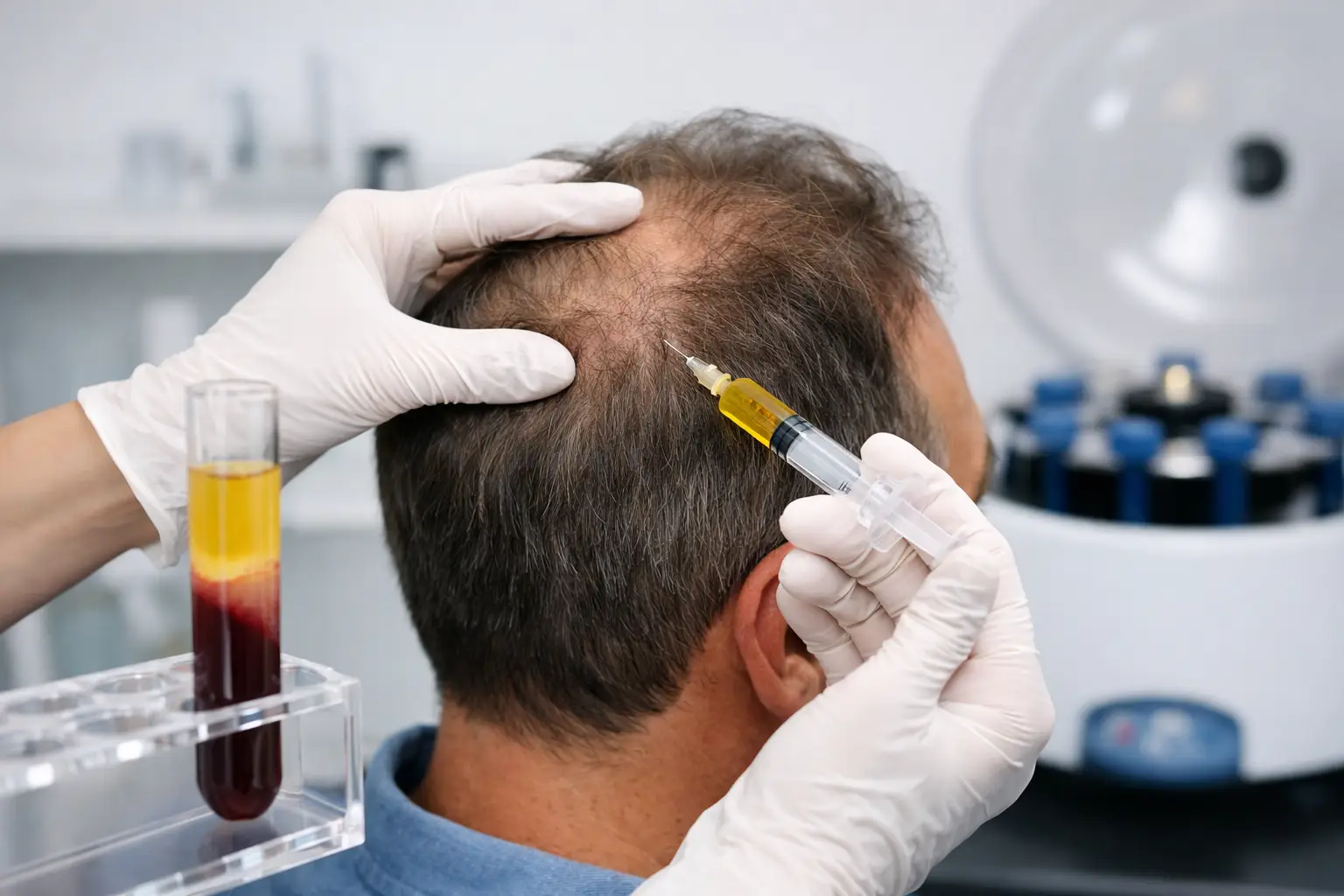
Hair shedding in the shower, a widening part or a hairline that looks different in photos can be difficult to ignore. If you are researching clinically delivered options, you may be asking: what is PRP treatment for hair loss? PRP, or platelet-rich plasma, is a non-surgical treatment that uses a concentrated portion of your own blood to support hair follicles in areas affected by thinning.
For some people, PRP can form part of a practical plan to manage early hair loss and maintain existing density. It is not a guaranteed regrowth treatment, and it does not replace a hair transplant where follicles have been permanently lost. Its value depends on the cause and stage of your hair loss, the health of the remaining follicles and a treatment plan developed with an appropriately qualified medical professional.
What is PRP treatment for hair loss?
Platelet-rich plasma is prepared from a small sample of your blood. Blood contains plasma, red blood cells, white blood cells and platelets. Platelets are involved in the body's normal healing processes and contain growth factors that help signal cellular activity.
During PRP treatment, a clinician takes a blood sample and places it in a centrifuge. This separates the blood components so the platelet-rich portion can be collected. The prepared PRP is then carefully injected into areas of the scalp where hair is thinning.
The aim is to create a healthier environment around existing hair follicles and encourage follicles that are still active but producing finer, weaker hairs. PRP is therefore generally considered a hair-maintenance and hair-strengthening option, rather than a way to create new follicles in completely bald areas.
How PRP hair treatment is carried out
A PRP appointment is usually straightforward and performed in a clinical setting. Before treatment, a medical professional should review your hair-loss pattern, health history, medications and expectations. This is an important step because hair loss has many possible causes, including androgenetic alopecia, stress-related shedding, hormonal changes, nutritional deficiencies, autoimmune conditions and scalp disorders.
The treatment itself commonly follows three stages:
- A small amount of blood is taken, similar to a routine blood test.
- The sample is processed to concentrate the platelet-rich plasma.
- The PRP is injected into the treatment areas of the scalp using fine needles.
The procedure usually takes less than an hour, although appointment times vary. Some people experience brief pressure, pinching or tenderness during the injections. A clinician may discuss comfort measures before beginning, particularly if you are concerned about scalp sensitivity.
Most patients can return to normal daily activities soon after their appointment. Your provider may advise avoiding strenuous exercise, hair colouring, excessive heat exposure or certain scalp products for a short period. Follow the aftercare instructions given for your individual treatment rather than relying on general advice online.
Who may be suited to PRP for hair loss?
PRP is often considered for men and women with early to moderate thinning, particularly when there are still viable follicles in the treatment area. It may be relevant for people noticing a receding hairline, diffuse thinning across the scalp, reduced density at the crown or widening through the part line.
It can also be used alongside other medically appropriate hair-loss approaches. For example, some patients may use prescribed medication to slow pattern hair loss while having PRP sessions to support existing follicles. Others may consider PRP before or after a hair transplant as part of a broader hair-restoration plan. Whether combination treatment is suitable depends on your medical circumstances and should be discussed during consultation.
PRP may be less suitable when hair loss is advanced and an area has been bald for a long time. In these cases, there may be too few functioning follicles for PRP to meaningfully support. A hair transplant may be the more appropriate option if you have suitable donor hair and are seeking coverage in permanently sparse areas.
People with certain blood disorders, active scalp infections, some autoimmune conditions or medical factors that affect healing may need further assessment before proceeding. Honest disclosure of your health history and current medications is essential for safe treatment planning.
What results can you realistically expect?
PRP results are gradual. Hair grows in cycles, so changes are not usually visible immediately after a session. Where PRP is effective, people may first notice less shedding, followed by hair that appears stronger or fuller over the following months. Improvement can be subtle, particularly in the early stages, and photographs taken under consistent lighting are often more useful than relying on day-to-day impressions.
Clinical research into PRP for pattern hair loss is promising, but protocols vary. Differences in how PRP is prepared, how often it is injected and which patients are selected make it difficult to promise identical outcomes for every person. This is why credible providers avoid guarantees.
A common plan involves an initial course of treatments spaced several weeks apart, followed by review and maintenance sessions where appropriate. Your clinician should explain the recommended schedule, the reason it suits your hair-loss pattern and how progress will be assessed.
PRP works best when expectations are realistic. It may improve the quality, thickness and retention of existing hair, but it cannot restore the density of a full head of hair in every case. It is also not a one-off fix for ongoing genetic hair loss. Maintenance and early intervention are often key considerations.
Is PRP treatment safe?
Because PRP is made from your own blood, the risk of allergic reaction to the plasma itself is low. However, PRP still involves blood collection and scalp injections, so it should be treated as a medical procedure rather than a beauty service.
Temporary effects can include redness, swelling, pinpoint bleeding, tenderness, headache or bruising around the injection sites. These usually settle quickly. As with any injection-based treatment, there is also a small risk of infection or other complications. Proper clinical hygiene, sterile equipment and trained medical delivery all matter.
A reputable provider will explain possible risks before treatment, obtain informed consent and give you clear guidance on when to contact the clinic after your appointment. Be cautious of services that focus only on price or promise dramatic regrowth without a proper consultation.
Choosing between PRP and a hair transplant
PRP and hair transplantation address different needs. PRP aims to support follicles you already have. A hair transplant moves healthy follicles from a donor area, usually at the back or sides of the scalp, to an area with thinning or permanent hair loss.
If your main concern is early thinning and you still have good coverage, PRP may be a sensible non-surgical starting point. If your hairline is significantly receded or the crown is clearly bald, a transplant consultation may provide a more durable path to visible coverage. Some patients benefit from both, but this should be based on clinical assessment rather than a one-size-fits-all package.
Affordability matters, but so does treatment suitability. Ask whether the quoted price includes consultation, preparation, follow-up and the recommended number of sessions. You should also understand who will perform the procedure and what medical oversight is provided.
Questions worth asking at your consultation
A clear consultation should leave you better informed, not pressured. Ask what is causing your hair loss, whether PRP is likely to help at your stage, how many sessions are recommended and what results are realistic for you. It is also reasonable to ask about practitioner qualifications, possible side effects, aftercare and the full expected cost of treatment.
At Luxe Medical Procedures, PRP treatments and hair restoration options are carried out by medical-professionals, helping patients make a decision based on their hair-loss pattern, safety and long-term goals.
The most useful next step is a considered clinical assessment while your thinning is still at a stage where options may be available. Whether PRP is right for you or not, a clear diagnosis and an honest treatment plan can replace uncertainty with a practical way forward.