
When to Wash Grafts After a Hair Transplant
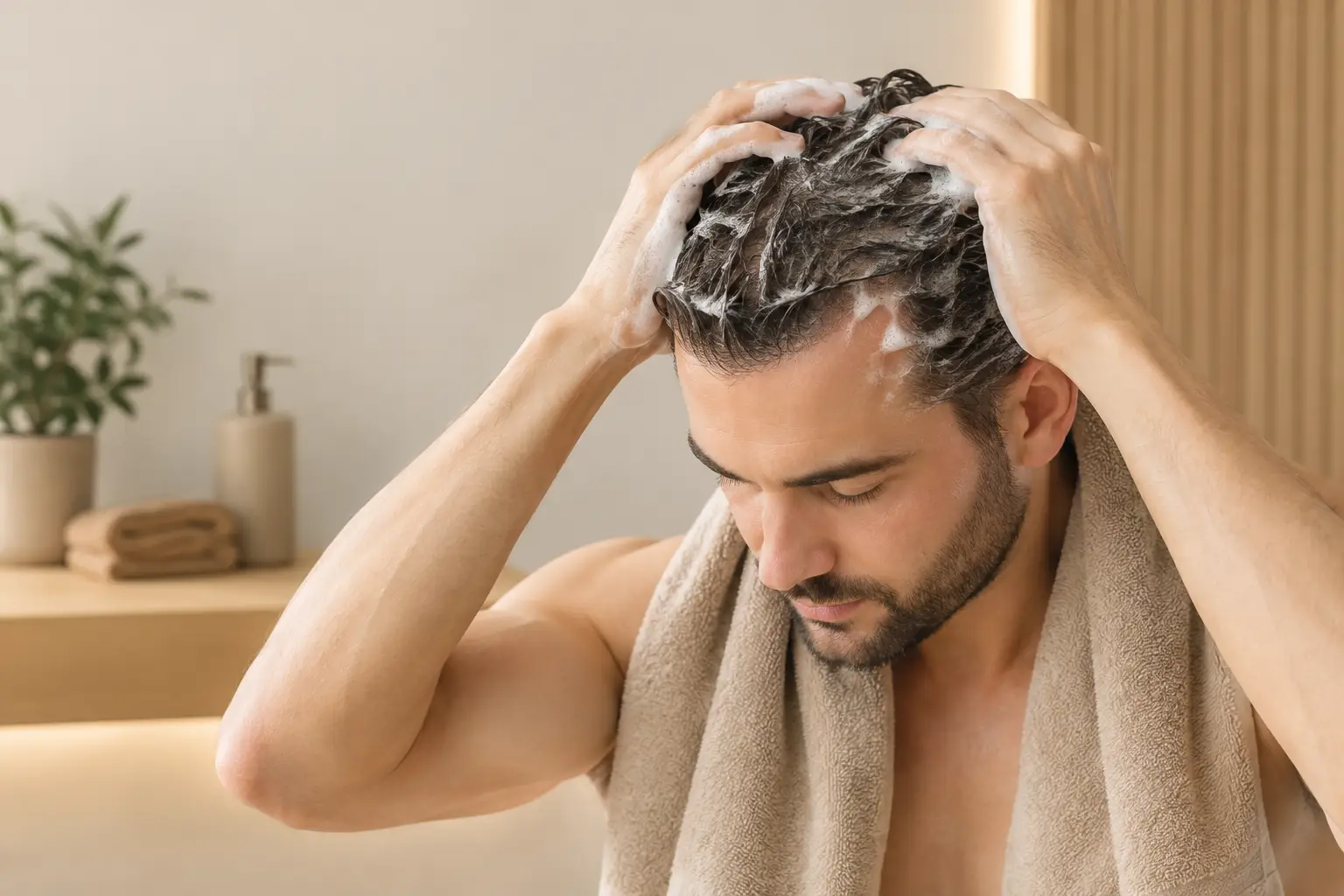
The first wash after a hair transplant can feel surprisingly high-stakes. You can see the newly placed grafts, there may be small scabs forming, and even a gentle stream of water can seem risky. Knowing when to wash grafts - and how to do it carefully - helps keep the recipient area clean without placing unnecessary pressure on healing follicles.
Your treating medical professional’s aftercare instructions should always take priority. The right timing can differ according to the extraction and implantation technique used, the size of the treatment area, your skin condition and how your scalp is progressing in the first few days.
When to wash grafts after a hair transplant
In many hair transplant aftercare plans, patients are asked to avoid washing the recipient area on the day of their procedure. The first gentle wash is often introduced around day two or day three, although some clinics may recommend a slightly different schedule.
This early wash is not about getting the scalp perfectly clean. It is about carefully removing oil, dried blood and residue while leaving the grafts undisturbed. Fresh grafts need time to settle into their new blood supply. They are most vulnerable in the early recovery period, which is why forceful water, rubbing and picking are avoided.
Some patients are instructed to return to the clinic for their first wash. Others receive a detailed home-care plan, including when to use a saline spray, a mild shampoo or a moisturising lotion to soften scabs. Follow the plan provided for you rather than relying on a friend’s experience or a general timetable online.
The first 48 hours
During the first two days, the focus is generally on protecting the recipient area. Your clinician may advise saline misting at set intervals to keep the grafts hydrated. If this is included in your plan, spray as directed without touching the grafts or wiping the scalp afterwards.
Avoid standing under a shower with water hitting the transplant area directly. Hot water, strong pressure and steam can all be uncomfortable on a sensitive scalp. You should also avoid scratching, wearing tight hats or allowing a towel to rub across the grafts.
The donor area, usually at the back or sides of the scalp, may have different washing instructions. It can often tolerate gentle cleansing earlier than the recipient area, but it still needs careful handling. Treat each area according to the guidance you have been given.
Days three to seven: gentle cleansing begins
Once your medical professional has cleared you to wash, use lukewarm water and a gentle technique. A mild shampoo may be recommended, often one without harsh fragrance or active ingredients. Rather than applying shampoo directly onto the grafts, you may be instructed to lather it in your hands first and gently dab the foam over the recipient area.
Let the water run softly over your scalp from a cup or a low-pressure shower setting, depending on your instructions. Do not massage, scrub or use your fingernails. After rinsing, allow the area to air dry where possible, or carefully pat surrounding areas dry with a clean, soft towel. Do not drag the towel over the grafts.
It is normal to notice tiny crusts around the transplanted hairs during this stage. Those crusts are part of healing. Trying to remove them too soon can pull at the hair shafts and irritate the scalp.
How to wash hair grafts safely
The most useful rule is simple: cleanse the scalp without friction. A careful wash should feel gentle and controlled, not like your usual post-gym shampoo.
Use only the products your clinic has approved. Medicated anti-dandruff shampoos, exfoliating scalp treatments, dry shampoo, hair fibres and styling products should generally wait until you are told they are suitable. Even products you use regularly can sting an irritated scalp or leave residue around healing grafts.
Water temperature matters too. Keep it lukewarm rather than hot. Hot showers can increase redness and make swelling feel worse. Keep your shower brief, and avoid the direct force of a showerhead on the transplant zone until your clinician confirms it is appropriate.
If you have longer hair, take extra care when separating strands around the recipient area. Pulling a comb or brush through freshly transplanted hair is not a safe substitute for washing. Brushing is usually postponed until the scalp has healed sufficiently.
Removing scabs without damaging grafts
Scabs commonly become more noticeable over the first week. By roughly days seven to 10, many patients are asked to begin softening and gently removing them with the washing method provided by their clinic. The timing matters. Leaving thick scabs in place for too long can make the scalp harder to clean, while trying to lift them before they are ready can cause bleeding and trauma.
Your clinician may recommend leaving shampoo foam or a lotion on the scalp briefly before rinsing, then using very light fingertip movement only when instructed. This is not the same as scratching. The aim is to allow softened crusts to release gradually.
A shed hair in a scab can look alarming, but it does not automatically mean the whole graft has been lost. In the early weeks, the visible hair shaft may shed as part of the normal growth cycle. If you see bleeding, a piece of tissue or are worried that a graft has come out, contact your clinic rather than repeatedly inspecting or touching the area.
What can interfere with graft healing?
Washing technique is one part of aftercare, but the wider recovery routine matters as well. For the first phase of healing, avoid anything that may cause friction, sweating, swelling or contamination around the scalp.
This commonly includes strenuous exercise, swimming, saunas, spas and direct sun exposure for the period advised by your medical professional. Chlorinated pools, ocean water and shared spa facilities can expose healing skin to irritants or bacteria. Heavy exercise can increase sweating and may make the scalp feel itchy before it is ready for regular washing.
Be mindful at night too. Sleep with your head elevated if instructed, and use clean bedding. A soft travel pillow can help some patients avoid rolling onto the recipient area. If your scalp feels itchy, resist the urge to scratch. Contact the clinic for advice if the discomfort is difficult to manage.
When to contact your hair transplant clinic
Mild redness, tenderness, swelling and small scabs are expected after a hair transplant. These effects should gradually settle as the scalp heals. However, it is sensible to seek clinical advice if you notice increasing pain, spreading redness, persistent bleeding, pus, fever, a strong odour or swelling that is worsening rather than improving.
You should also contact your provider if you are unsure whether you have washed too early, used an unsuitable product or accidentally knocked the graft area. Early reassurance and appropriate advice are far better than guessing at home.
For patients in Newcastle, Brisbane or Perth, access to clear aftercare support is worth considering alongside the procedure itself. Hair restoration is not just about the day grafts are placed. It is also about having medically guided care while your scalp heals and the longer growth process begins.
A realistic view of washing and hair growth
Careful washing protects the healing environment, but it does not make transplanted hair grow overnight. In the weeks after surgery, some transplanted hairs commonly shed before new growth begins. This can be emotionally challenging, particularly when you have invested time, money and hope into treatment.
Early visible growth is often gradual, with fuller results developing over months rather than days. Keeping your scalp clean as instructed, attending follow-up appointments and raising concerns promptly gives your treatment the best support during that waiting period.
If you are uncertain about when to wash your grafts, pause and ask your medical professional. A simple check-in can protect your peace of mind as well as your recovery.